


Big Graniti S.r.l.
Natural stone
Chemical and physical treatment parameters under control and predictive analysis on the motors at the Agnosine plant: downtime days and costs halved.
Manufacturers already connected to IDA

%20--%3e%3cdefs%3e%3cstyle%3e%20.st0%20{%20fill:%20%23ff000f;%20}%20%3c/style%3e%3c/defs%3e%3cpath%20class='st0'%20d='M545.2,382.8h23.2c69.6-3.5,118.3-58,118.3-123s-4.6-44.1-15.1-61.5h-126.5v184.5Z'/%3e%3crect%20class='st0'%20x='417.6'%20y='197.2'%20width='116'%20height='185.6'/%3e%3cpath%20class='st0'%20d='M664.7,185.6c-11.6-16.2-27.8-29-45.2-38.3,20.9-15.1,34.8-39.4,34.8-66.1,0-45.2-36-81.2-81.2-81.2h-27.8v185.6h119.5Z'/%3e%3crect%20class='st0'%20x='417.6'%20width='116'%20height='185.6'/%3e%3cpath%20class='st0'%20d='M858.5,382.8h23.2c69.6-3.5,118.3-58,118.3-123s-4.6-44.1-15.1-61.5h-126.5v184.5Z'/%3e%3crect%20class='st0'%20x='730.9'%20y='197.2'%20width='116'%20height='185.6'/%3e%3cpath%20class='st0'%20d='M978,185.6c-11.6-16.2-27.8-29-45.2-38.3,20.9-15.1,34.8-39.4,34.8-66.1,0-45.2-36-81.2-81.2-81.2h-27.8v185.6h119.5Z'/%3e%3crect%20class='st0'%20x='730.9'%20width='116'%20height='185.6'/%3e%3cpolygon%20class='st0'%20points='66.1%20197.2%200%20382.8%2096.3%20382.8%20124.1%20301.6%20185.6%20301.6%20185.6%20197.2%2066.1%20197.2'/%3e%3cpolygon%20class='st0'%20points='185.6%200%20135.7%200%2069.6%20185.6%20185.6%20185.6%20185.6%200'/%3e%3cpolygon%20class='st0'%20points='197.2%20301.6%20258.7%20301.6%20286.5%20382.8%20382.8%20382.8%20316.7%20197.2%20197.2%20197.2%20197.2%20301.6'/%3e%3cpolygon%20class='st0'%20points='313.2%20185.6%20247.1%200%20197.2%200%20197.2%20185.6%20313.2%20185.6'/%3e%3c/svg%3e "Abb")





%20--%3e%3cdefs%3e%3cstyle%3e%20.st0%20{%20fill:%20%235a5e63;%20}%20.st1%20{%20fill:%20%23fbbc1c;%20}%20%3c/style%3e%3c/defs%3e%3cpolygon%20class='st1'%20points='24.1451838%20140.2627172%2066.9986035%2069.5530711%200%2077.6387528%2024.1451838%20140.2627172'/%3e%3cpolygon%20class='st1'%20points='76.1471271%2053.52492%20.0004265%2073.3792807%2079.9069024%200%2076.1471271%2053.52492'/%3e%3cpolygon%20class='st1'%20points='89.303035%2053.52492%20165.4497356%2073.3792807%2085.5432597%200%2089.303035%2053.52492'/%3e%3cpolygon%20class='st1'%20points='79.593179%2075.6561745%2083.4229077%20167.0797749%2028.3464325%20144.2692485%2079.593179%2075.6561745'/%3e%3cpath%20class='st0'%20d='M89.427586,167.0748696h84.7844373c15.2350985,0,26.5073865-4.0743518,26.5073865-23.7190659,0-13.4668588-4.3187617-19.8892307-15.9546788-21.3708326v-.3703471c7.4427727-2.2293341,12.8379191-5.1924312,12.8379191-20.511239,0-17.5412106-10.3151224-23.4744427-31.5391171-23.4744427h-76.6359469v89.4459274ZM116.0537651,131.6221013h47.7313811c5.7517375,0,9.5882908,1.3557713,9.5882908,7.4079027,0,5.1924312-3.8365533,6.5482025-9.5882908,6.5482025h-47.7313811v-13.9561052ZM116.0537651,99.1256054h47.1303801c4.912938,0,7.7923258,1.851949,7.7923258,7.0443802,0,5.0667073-2.8793878,6.9186563-7.7923258,6.9186563h-47.1303801v-13.9630365Z'/%3e%3cpath%20class='st0'%20d='M200.9017574,167.0762559h29.743152l7.7991505-15.8149855h53.9651138l8.2674962,15.8149855h29.6241462l-47.7243431-89.4458208h-34.6631281l-47.0115875,89.4458208ZM265.1819937,98.3862973l17.2686487,33.6007127h-34.0550891l16.7864403-33.6007127Z'/%3e%3cpolygon%20class='st0'%20points='340.4636623%20167.0776422%20373.323574%20167.0776422%20419.971959%2077.6247834%20390.8298079%2077.6247834%20356.8937248%20144.0924458%20322.1467807%2077.6247834%20293.0116677%2077.6247834%20340.4636623%20167.0776422'/%3e%3cpolygon%20class='st0'%20points='425.296299%20167.0776422%20521.835446%20167.0776422%20521.835446%20145.580979%20451.9224781%20145.580979%20451.9224781%20131.2475954%20516.6778848%20131.2475954%20516.6778848%20112.7140293%20451.9224781%20112.7140293%20451.9224781%2098.3876836%20520.2770662%2098.3876836%20520.2770662%2077.6247834%20425.296299%2077.6247834%20425.296299%20167.0776422'/%3e%3cpolygon%20class='st0'%20points='529.1029089%20167.0776422%20615.5647319%20167.0776422%20615.5647319%20144.0924458%20555.72205%20144.0924458%20555.72205%2077.6247834%20529.1029089%2077.6247834%20529.1029089%20167.0776422'/%3e%3cpolygon%20class='st0'%20points='623.0100639%20167.0776422%20709.4718869%20167.0776422%20709.4718869%20144.0924458%20649.636243%20144.0924458%20649.636243%2077.6247834%20623.0100639%2077.6247834%20623.0100639%20167.0776422'/%3e%3cpath%20class='st0'%20d='M715.0871302,134.7125219c0,26.1929166,14.2704684,32.363734,38.2550582,32.363734h42.6928258c23.9843765,0,38.2550582-6.1708174,38.2550582-32.363734v-26.6890944c0-26.1929166-14.2706816-32.370772-38.2550582-32.370772h-42.6928258c-23.9845898,0-38.2550582,6.1778554-38.2550582,32.370772v26.6890944ZM742.4331029,116.5494096c0-11.118732,2.6347646-17.9184891,16.6676477-17.9184891h31.1827393c14.0258452,0,16.6674344,6.799757,16.6674344,17.9184891v9.6371302c0,12.970681-2.6415893,17.9115577-15.2348852,17.9115577h-34.0550891c-12.5930826,0-15.2278472-4.9408767-15.2278472-17.9115577v-9.6371302Z'/%3e%3cpolygon%20class='st0'%20points='842.3869508%20167.0776422%20869.0131299%20167.0776422%20869.0131299%20102.0915816%20869.2507151%20102.0915816%20919.260483%20167.0776422%20960.5066835%20167.0776422%20960.5066835%2077.6247834%20933.8873292%2077.6247834%20933.8873292%20142.6178819%20933.6497439%20142.6178819%20883.6399761%2077.6247834%20842.3869508%2077.6247834%20842.3869508%20167.0776422'/%3e%3crect%20class='st0'%20x='973.3738209'%20y='77.6325679'%20width='26.6261791'%20height='89.4458208'/%3e%3c/svg%3e "Bavelloni")
%20--%3e%3cdefs%3e%3cstyle%3e%20.st0%20{%20fill:%20%23034a82;%20fill-rule:%20evenodd;%20}%20%3c/style%3e%3c/defs%3e%3cpath%20class='st0'%20d='M7.3,726.2v43.9c143.2-2.1,270.6-72.1,349-180.8-8.4-13.6-16.7-26.1-25.1-39.7-70,105.5-188.1,174.5-323.9,176.6h0ZM7.3,672.9v40.8c133.7-2.1,249.7-71.1,317.7-176.6-7.3-14.6-13.6-29.3-19.9-44.9-57.5,106.6-169.3,178.7-297.8,180.8h0ZM7.3,617.6v41.8c127.5-2.1,237.2-76.3,291.5-185-8.4-24-13.6-49.1-17.8-74.2-31.3,123.3-140,214.2-273.8,217.3ZM7.3,605V4.2h433.6v331.2c0,54.3,16.7,106.6,43.9,148.4V4.2h245.6v726.2h-11.5c-217.3,0-395-177.6-395-395v-92h-48.1v92c0,4.2,1,9.4,1,13.6-11.5,141.1-126.4,252.9-269.6,256h0ZM735.6,773.2l1,2.1V0H1v781.6c147.3,0,280-71.1,362.6-182.9,81.5,108.7,210,179.7,355.3,179.7h16.7v-5.2h0,0ZM658.3,671.9v46c-183.9-29.3-326-190.2-326-382.4v-169.3h46v169.3c0,167.2,121.2,307.2,280,336.5ZM572.6,582v52.2c-110.8-54.3-186-169.3-186-298.9V82.5h46v252.9c0,104.5,56.4,196.4,140,246.6ZM353.2,1000v-205.9h74.2v70l38.7-70h82.5l-56.4,98.2,66.9,107.6h-82.5l-49.1-78.4v78.4h-74.2ZM194.4,1000v-205.9h144.2v51.2h-66.9v26.1h60.6v52.2h-60.6v27.2h66.9v49.1h-144.2ZM0,1000v-205.9h102.4c37.6,0,70,12.5,70,50.2s-3.1,35.5-24,47c26.1,10.4,36.6,25.1,35.5,53.3-1,38.7-35.5,55.4-73.1,55.4H0ZM73.1,917.5v36.6h10.4c35.5,0,34.5-36.6,0-36.6h-10.4,0ZM73.1,872.5l10.4,1c27.2,2.1,26.1-31.3,1-31.3h-11.5v30.3Z'/%3e%3cpath%20class='st0'%20d='M643.7,786.3c61.7,0,113.4,47.5,113.4,106.1s-51.7,106.1-113.4,106.1-113.4-47.5-113.4-106.1,51.2-106.1,113.4-106.1ZM643.7,851.6c18.8,0,35,17.8,35,40.2s-16.2,40.8-35,40.8-35-18.3-35-40.8,16.2-40.2,35-40.2Z'/%3e%3c/svg%3e "Beko")
%20--%3e%3cdefs%3e%3cstyle%3e%20.st0%20{%20fill:%20%23006163;%20}%20%3c/style%3e%3c/defs%3e%3cpath%20class='st0'%20d='M260.3,171.4l-91.1-90.9c-4-4-8.1-8.1-16.1-8.1h-80.6c-4.4,0-8-3.6-8.1-8.1V8.1C64.4,3.7,60.8,0,56.3,0H0v8c0,7.9,4,12,8.1,16.1l96.7,96.6c4,4,8.1,8.1,16.1,8.1h80.6c4.4,0,8.1,3.6,8.1,8.1v96.6c0,4.4-3.6,8.1-8.1,8.1H46c-5.1,0-7.7,6.1-4.1,9.7l46.6,46.6h64.5c7.9,0,12.1-4,16.1-8.1l91.1-90.9c7.5-7.6,7.5-19.8,0-27.4h0Z'/%3e%3cpath%20d='M569.8,117.6c-36.7,0-58.2,24.6-58.2,63.2s21.5,63,58.2,63,48.8-14.2,54.6-36.4c.2-1-.7-1.9-1.7-1.9h-20.8c-1,0-1.4.7-1.9,1.7-5.6,11.8-13.3,17.9-30.2,17.9s-34.1-15-34.1-35.5-9.5-1.2-8.8-1.2h99.7c.9,0,1.7-.7,1.7-1.6h0v-5.8c0-36.7-20.3-63.2-58.5-63.2h0v-.2ZM601.7,171.2h-64.3c-.9,0-1.7-.7-1.7-1.6h0c.2-16.9,9.2-33.3,33.8-33.3s33.6,16.4,33.8,33.3c0,.9-.7,1.7-1.6,1.7h0ZM706.1,171.2l-20.1-3.1c-11.8-1.9-19.1-5.8-19.1-15s6.8-17.4,26.1-17.4,30,10.4,30,21.2.7,1.7,1.7,1.7h19.6c.9,0,1.7-.7,1.7-1.6h0c0-25.8-23.2-39.3-52.9-39.3s-49,10.1-49,35.5,12.8,29.7,31.9,32.6l28,4.3c14.3,2.2,23,6,23,16.9s-9.9,18.3-30.5,18.3-31.7-11.1-31.7-20.8-.7-1.7-1.6-1.7h-19.6c-.9,0-1.7.7-1.7,1.6h0c0,22.2,19.8,39.3,54.6,39.3s52.7-11.6,52.7-38.6-21.5-30.7-43-34h-.1ZM827.3,171l-20.2-2.9c-11.8-1.9-19.1-5.8-19.1-15s6.8-17.4,26.1-17.4,29.6,10.6,30,21.2.2,1,.7,1.3.6.4,1,.4h17.8c2,0,3.6-1.7,3.5-3.7-1.2-24.5-23.9-37.3-52.9-37.3s-49,10.1-49,35.5,12.8,29.7,31.9,32.6l28,4.3c14.3,2.2,23,6,23,16.9s-9.9,18.3-30.5,18.3-31.7-11.1-31.7-20.8-.7-1.7-1.6-1.7h-19.6c-.9,0-1.7.7-1.7,1.6h0c0,22.2,19.8,39.3,54.6,39.3s52.7-11.6,52.7-38.6-21.5-30.7-43-34h0ZM425.8,154.3c-1.4-.7-1.4-1.9,0-2.7,15.5-7,22.2-20,22.2-34-.2-21.7-13.3-45.1-49.5-45.1h-74.4c-.9,0-1.7.7-1.7,1.6h0v165.5c0,1,.7,1.7,1.7,1.7h76.1c35.3,0,51.5-23.2,51.5-45.9s-5.3-32.3-25.9-41.3h0v.2ZM345.1,92.5c0-1,.7-1.7,1.7-1.7h47.4c21.7,0,30.9,11.3,30.9,29.4s-10.4,24.6-28.5,24.6h-49.8c-.9,0-1.7-.7-1.7-1.6h0v-50.7h0ZM396.5,222.6h-50c-.9,0-1.7-.7-1.7-1.6h0v-55.5c0-1,.7-1.7,1.7-1.7h51.7c20.5,0,30.7,10.6,30.7,29.9s-13,29-32.4,29h0ZM493.7,72.5h-22.7c-.9,0-1.7.7-1.7,1.7h0v24.2c0,.9.8,1.7,1.7,1.7h22.7c.9,0,1.7-.8,1.7-1.7v-24.1c0-.9-.8-1.7-1.7-1.7h0ZM492.2,120h-19.6c-.9,0-1.7.8-1.7,1.7v118c0,.9.8,1.7,1.7,1.7h19.6c.9,0,1.7-.8,1.7-1.7h0v-118c0-.9-.8-1.7-1.7-1.7h0ZM941.5,117.6c-36.7,0-58.2,24.6-58.2,63.2s21.5,63,58.2,63,48.8-14.2,54.6-36.4c.2-1-.7-1.9-1.7-1.9h-20.8c-1,0-1.4.7-1.9,1.7-5.6,11.8-13.3,17.9-30.2,17.9s-34.1-15-34.1-35.5-.7-1.2,0-1.2h90.9c.9,0,1.7-.7,1.7-1.6h0v-5.8c0-36.7-20.3-63.2-58.5-63.2h0v-.2ZM973.4,171.2h-64.3c-.9,0-1.7-.7-1.7-1.6h0c.2-16.9,9.2-33.3,33.8-33.3s33.6,16.4,33.8,33.3c0,1-.7,1.7-1.7,1.7h.1Z'/%3e%3c/svg%3e "Biesse Intermac")

%20--%3e%3cdefs%3e%3cstyle%3e%20.st0%20{%20fill:%20%23f39526;%20}%20%3c/style%3e%3c/defs%3e%3cpath%20class='st0'%20d='M97.98574,848.9720847h28.0652114c9.4883628,0,17.1812364,7.6908649,17.1812364,17.1792276s-7.6928736,17.1792125-17.1812364,17.1792125h-28.0652114v-34.3584401ZM97.98574,922.0204165h29.9854544c11.1631458,0,20.2120003,9.0488848,20.2120003,20.2100369,0,11.1631307-9.0488546,20.2120154-20.2120003,20.2120154h-29.9854544v-40.4220523ZM55.3504845,811.412575h-18.2858368v37.5595097h18.2858368v113.4703841h-18.2858368v37.5575312h102.4437728v-.037615c29.5875711-.7938258,53.3332173-25.0106369,53.3332173-54.7902021,0-21.572029-12.4637275-40.2240924-30.5773254-49.1740048,13.5090019-7.8551745,22.5994209-22.476706,22.5994209-39.2283269,0-25.0502304-20.3050371-45.3572763-45.3553129-45.3572763H55.3504845ZM76.6928213,714.4622015h81.1588892l.4988343-175.5515666,78.6744445-109.1270765c12.7428983,44.4288114,23.2448183,87.9450166,35.9877167,132.4570174l-59.8996209,67.4281697-1.4867158,1.5718384v121.7768776H76.6928213v-38.5552601ZM255.8097207,638.846281l29.9458836-30.4447178c6.2021705,22.9993583,12.4973779,46.0006498,18.7747632,69.0000081h-48.7206468v-38.5552903ZM256.2987075,715.9568013h98.4469366c-2.8051195-18.6144258-10.1732706-39.0541246-14.7185405-58.8266771-9.1854495-34.7444673-18.2858368-71.9733793-27.3941382-106.0586145l-31.5176615-120.2902222h41.6236919l72.0505877-71.5596072v393.296917h-138.490876v-36.5617959ZM394.2986634,303.461411l-61.3863366,63.8628672-20.7682878,21.8432252H103.5761634l-.4949074,24.4107989h-48.7285609v-36.5716735c29.6153009-16.2131705,59.8996209-32.0145626,89.2694013-47.7387462l89.3545843-48.1465373,61.8792504-33.0142851,2.068679-3.0585542,39.0462104-112.100508-12.7408443-6.6158822-71.4765387-33.0043773h51.2130056l22.3342057-22.2569972,68.9980145.9898148v231.4008551ZM249.6827649,225.277947l-65.9315462,36.0708456c-6.794102,3.7276337-13.5782962,7.4433659-20.3545762,11.1690663l-63.3738803-76.1127913c-5.9567105,4.5531237-12.0816726,8.5262174-17.7909294,13.6554442l-28.9520815-33.5131194,27.4654261-25.8143857,138.4849554,61.3883303c10.1811848,4.3848721,20.1110494,9.2686389,30.452632,13.15661M37.0646477,790.0781221l396.8642434.4988343V0h-38.6424066l-27.3842304,28.3820197h-61.3784225l-20.7682274,23.3397884h-79.183247l.5068088,67.4955308c25.560951,12.3271326,51.3753367,23.987119,76.6057051,37.0606-4.3848721,10.5950172-9.3537615,21.0138083-14.2295537,31.4405135l-79.6642592-32.9291625-119.2251927-49.2175478L0,172.5010172l12.2400164,14.2296141.5008883.4889264,59.3136703,70.0729519,8.6906025,9.5992215c4.8797191-3.8028485,10.2603869-8.5935784,15.7201963-12.158881,10.0882084,12.158881,20.2713868,24.3177621,30.4447178,36.4865509l-.4988343.5741095-112.680538,60.3133325v100.0188354h126.8249691l1.0808579-21.8432252,46.6598819.4988343-.4988947.4988947-71.5596072,102.004325-.4988343,145.1048853H37.0646477v111.6887296ZM415.4846501,962.4424688v-113.4703841h18.444241v-37.5595097h-78.8625117l-41.6811451,110.6078415-41.6810847-110.6078415h-78.8625117v37.5595097h18.444241v113.4703841h-18.444241v37.5575312h78.8625117v-37.5575312h-17.941359v-74.0757539l43.4627392,111.6332851h32.3214027l43.460806-111.6332851v74.0757539h-17.941359v37.5575312h78.8625117v-37.5575312h-18.444241Z'/%3e%3c/svg%3e "Bm Officine")

%20--%3e%3cdefs%3e%3cstyle%3e%20.st0,%20.st1%20{%20fill-rule:%20evenodd;%20}%20.st1%20{%20fill:%20%23e3682b;%20}%20%3c/style%3e%3c/defs%3e%3cpath%20class='st1'%20d='M139.2,50.4h-69.4V0H0v209.1h139.2c18.3,0,33.3-14.9,33.3-33.2v-92.4c0-18.3-14.9-33.2-33.3-33.2h0ZM69.6,162.8h33.2v-66h-33.2v66Z'/%3e%3cpath%20class='st0'%20d='M966.8,50.4h-105.7c-18.3,0-33.2,14.9-33.2,33.2v92.3c0,18.3,14.9,33.2,33.2,33.2h105.7c18.3,0,33.2-14.9,33.2-33.2v-92.3c0-18.3-14.9-33.2-33.2-33.2ZM897.4,162.8h33.1v-66h-33.1v66ZM478.9,162.8h-33.1v-66h33.1l.2,23.8h69.2v-37c0-18.3-14.8-33.2-33.1-33.2h-105.7c-18.3,0-33.1,14.9-33.1,33.2v92.4c0,18.3,14.8,33.2,33.1,33.2h105.7c18.3,0,33.1-14.9,33.1-33.2v-37h-69.2l-.2,23.8ZM560.9,209.1h69.7V50.4h-69.7v158.7ZM294,209.1h69.6V50.4h-69.6v158.7ZM283.9,50.4h-29.1V.1h-69.8v176c0,18.3,14.9,33.1,33.1,33.1h65.7v-45.1h-29.1v-69.7h29.1v-44ZM712.5,209.1v-112.4h33.2v112.4h69.4v-125.5c0-18.3-14.8-33.2-33.2-33.2h-138.8v158.7h69.4Z'/%3e%3c/svg%3e "Bticino")










%20--%3e%3cdefs%3e%3cstyle%3e%20.st0%20{%20fill:%20%23092061;%20fill-rule:%20evenodd;%20}%20%3c/style%3e%3c/defs%3e%3cg%20id='Symbols'%3e%3cpath%20id='Combined-Shape'%20class='st0'%20d='M234.8,83.3c-1.7,4.6-4.1,8.5-7.3,12-3.2,3.4-7.1,6.1-11.6,8-4.5,1.9-9.6,2.8-15.3,2.8s-10.8-.9-15.3-2.8c-4.5-1.9-8.4-4.6-11.6-8-3.2-3.4-5.6-7.4-7.3-12-1.7-4.6-2.5-9.5-2.5-14.8s.8-10.8,2.5-15.4c1.7-4.6,4.1-8.6,7.3-11.9,3.2-3.3,7.1-5.9,11.6-7.6,4.5-1.8,9.6-2.7,15.3-2.7s10.6.9,15.1,2.7c4.5,1.8,8.4,4.3,11.6,7.6,3.2,3.3,5.7,7.3,7.4,11.9,1.7,4.6,2.6,9.8,2.6,15.4s-.8,10.3-2.5,14.8M252.8,20.9c-5.9-6.4-13.2-11.5-22-15.3-8.7-3.8-18.8-5.7-30.1-5.7s-21.6,1.9-30.3,5.7c-8.7,3.8-16,8.9-22,15.3-5.9,6.4-10.4,13.5-13.3,21.4-3,7.9-4.4,15.9-4.4,24v3.9c0,7.3,1.4,14.9,4.3,22.7,2.8,7.8,7.2,15,13,21.7,5.8,6.7,13.1,12.1,21.9,16.1,8.8,4.1,19.1,6.1,30.9,6.1s22-2,30.8-6.1c8.8-4.1,16.1-9.5,21.9-16.1,5.8-6.7,10.2-13.9,13.1-21.7,2.9-7.8,4.4-15.4,4.4-22.7v-3.9c0-8.2-1.5-16.2-4.5-24-3-7.9-7.5-15-13.4-21.4M387.6,106.4h-2.6L342.3,3.3h-53.5v129.3h30.2V29.5h2.6l42.6,103.1h53.9V3.3h-30.5v103.1ZM518.6,3.3l41.8,129.3h-33.1l-9.1-29.9h-50.3l-8.9,29.9h-32.1L467.1,3.3h51.4ZM655.2,3.3v28.7h-35.3v100.6h-32.8V32h-35.3V3.3h103.4ZM495.8,29.9h-6.5l-13.6,45.9h34.1l-14-45.9ZM764.7,83.3c-1.7,4.6-4.1,8.5-7.3,12-3.2,3.4-7.1,6.1-11.6,8-4.5,1.9-9.6,2.8-15.3,2.8s-10.8-.9-15.3-2.8c-4.5-1.9-8.4-4.6-11.6-8-3.2-3.4-5.6-7.4-7.3-12-1.7-4.6-2.5-9.5-2.5-14.8s.8-10.8,2.5-15.4c1.7-4.6,4.1-8.6,7.3-11.9,3.2-3.3,7.1-5.9,11.6-7.6,4.5-1.8,9.6-2.7,15.3-2.7s10.6.9,15.1,2.7c4.5,1.8,8.4,4.3,11.6,7.6,3.2,3.3,5.7,7.3,7.4,11.9,1.7,4.6,2.6,9.8,2.6,15.4s-.8,10.3-2.5,14.8M782.7,20.9c-5.9-6.4-13.2-11.5-22-15.3-8.7-3.8-18.8-5.7-30.1-5.7s-21.6,1.9-30.3,5.7c-8.7,3.8-16,8.9-22,15.3-5.9,6.4-10.4,13.5-13.3,21.4-3,7.9-4.4,15.9-4.4,24v3.9c0,7.3,1.4,14.9,4.3,22.7,2.8,7.8,7.2,15,13,21.7,5.8,6.7,13.1,12.1,21.9,16.1,8.8,4.1,19.1,6.1,30.9,6.1s22-2,30.8-6.1c8.8-4.1,16.1-9.5,21.9-16.1,5.8-6.7,10.2-13.9,13.1-21.7,2.9-7.8,4.4-15.4,4.4-22.7v-3.9c0-8.2-1.5-16.2-4.5-24-3-7.9-7.5-15-13.4-21.4M913.4,106.4h-2.6L868.2,3.3h-53.5v129.3h30.2V29.5h2.6l42.6,103.1h53.9V3.3h-30.5v103.1ZM969.8,132.6h30.2V3.3h-30.2v129.3ZM51.3,3.3H.9v29h50.5c19.8,0,35.9,16,35.9,35.6s-11.5,30.9-27.6,34.7l-25.8-49.4H0l42.6,79.4h8.8c35.9,0,65-29,65-64.7S87.2,3.3,51.3,3.3'/%3e%3c/g%3e%3c/svg%3e "Donatoni")


%20--%3e%3cdefs%3e%3cstyle%3e%20.st0%20{%20fill:%20%23104392;%20}%20.st1%20{%20fill:%20%23114391;%20}%20%3c/style%3e%3c/defs%3e%3cpath%20class='st1'%20d='M180.1,155.8l-.4-140.3c0,.2.7.8.4,1.4v139Z'/%3e%3cpath%20class='st1'%20d='M124.9.1H14.9h110Z'/%3e%3cg%3e%3cg%3e%3cpath%20class='st0'%20d='M164.8.1c8.1.6,13.8,7.6,14.9,15.3l.4,140.3c0,.3,0,.6,0,.8h-35.9V.1c6.7.3,13.9-.5,20.6,0Z'/%3e%3cpath%20class='st1'%20d='M180.1,156.6c0,.2-.2.5-.4.6l-35.2.2-.2-.8h35.9Z'/%3e%3cg%3e%3cpath%20class='st0'%20d='M14.9.1h110v28.2H35.9v32.3h67.7v13.1c0,6.9-9.5,15.5-16.3,15.5h-51.4v37.5h89.1v29.8H0V14.7C1.8,7.3,7.1,1.1,14.9.1Z'/%3e%3cpolygon%20class='st1'%20points='124.9%20156.6%200%20157%200%20156.6%20124.9%20156.6'/%3e%3c/g%3e%3c/g%3e%3cg%3e%3cpath%20class='st1'%20d='M732.1,51.5c26,24.7,23.4,75.2-5.1,97.2-22.7,17.5-63.9,16-84.5-4.4s-24.2-67.5-2.1-90.7c22.6-23.7,68.1-24.5,91.7-2ZM683.8,60.8c-28.2,2.9-30.2,43.4-18.8,62.5,9.9,16.6,34.6,16.6,44.6,0,13.1-21.8,7.8-66-25.8-62.5Z'/%3e%3cpath%20class='st1'%20d='M330.5,85.2l-70.5,14.5,27.4-29.6c-18.6-15.5-48.6-6.7-55.5,16.6-8.3,28,20.5,51.5,46.9,40.9,10-4,13-12.2,25.9-8.3,6.1,1.9,12.4,5.9,18.6,7.9-19.1,34.5-65.3,43.9-97.3,20.9-36.5-26.2-35.4-79.9,1.8-104.9,39.2-26.3,94.2-4.6,102.7,42Z'/%3e%3cpath%20class='st1'%20d='M470.3,74.7h-35.5c-9.9-19.8-40.4-18.7-49,2-5.8,14-4.8,38.4,5.4,50.2s22.9,11.2,33.6,5c5.4-3.1,11-12.4,17.8-12.4h27.6c-6.3,21.9-23.8,36.6-46.3,40.2-46.4,7.4-78-21.6-75.4-68.2,2.4-42.8,39.7-62.6,79.4-54.5,19.6,4,36.5,18.5,42.3,37.7Z'/%3e%3cg%3e%3cpath%20class='st1'%20d='M999.5,69.9c-1.3,16.4,1.7,35.5,0,51.6-2.6,25-28.3,37.8-51,39.1s-60-4-61.9-35.3c-1.6-25.7,15.3-35.3,37.8-39.6,10.3-2,26.8-2,35.5-6.8s8.2-14.4-2-17.3-26-2.5-33,5.6-1.1,2.2-1.4,2.2h-33.2c2.8-22,24.8-32.7,44.9-33.9s62.3,2.5,64.3,34.3ZM966.8,112.9c.4-5-.3-10.5,0-15.5-5.7,3.8-13,5.5-19.7,6.7-10.5,1.9-26.5.8-27.5,15.2-1.1,16.4,17.1,19.1,29.4,15.7s16.8-11.4,17.7-22.2Z'/%3e%3cpath%20class='st1'%20d='M790.7,40.9l26.6,80.2.8-1,23.4-69.3c1.5-4,8.9-9.9,13-9.9h27.2l-46.1,115.7-35.5.4-46.9-116.2h37.5Z'/%3e%3c/g%3e%3cpath%20class='st1'%20d='M605.7,155.8c-.7-.4-.4-1.5-.4-2.2-.3-22.9.8-46.3,0-69.2.7.4.4,1.5.4,2.2.2,23-.2,46.1,0,69.2Z'/%3e%3cg%3e%3cpath%20class='st0'%20d='M605.3,84.4c.8,22.8-.3,46.2,0,69.2,0,.7-.3,1.8.4,2.2,0,.3,0,.6,0,.8h-20.2c-8.3-1.9-13.6-8.6-14.1-17.1-1.3-19.5,1.8-41.3,0-60.5-1.5-16.5-21.2-21.7-34.6-16.5s-11.5,7.7-13.3,15.9-.7.8-.4,1.4v76.9s-33,0-33,0v-76.6c-.4-51.7,85.9-57.3,109-21.7,4.8,7.3,6,17.6,6.3,26.2Z'/%3e%3cpath%20class='st1'%20d='M523.5,78.4v78.6h-34.3l.8-77v76.6h33v-76.9c-.3-.6.4-1.2.4-1.4Z'/%3e%3cpath%20class='st1'%20d='M605.7,156.6c0,.2-.2.5-.4.6-6.5.1-13.5.8-19.8-.6h20.2Z'/%3e%3c/g%3e%3c/g%3e%3c/g%3e%3cpath%20class='st1'%20d='M164.8.1c-6.7-.5-13.8.3-20.6,0h20.6Z'/%3e%3c/svg%3e "Elecnova")



%20--%3e%3cdefs%3e%3cstyle%3e%20.st0%20{%20fill:%20%23d91433;%20fill-rule:%20evenodd;%20}%20%3c/style%3e%3c/defs%3e%3cpath%20class='st0'%20d='M245,4.8h-23l-68.5,154.2-2.1,4.6h46.1l13.5-31.7h68.3l13.5,31.7h46.1L268,4.8h-23ZM245,106.2h-23l23-53.9,23.2,53.9h-23.2M46.1,36.5h109.5V4.8H0v158.7h46.1v-69.9h93.6v-30.1H46.1v-27M505,112.7L416.2,4.8h-44.4v158.7h44.4V61.8l82.4,101.7h50.8V4.8h-44.4v107.9M897.1,143c-16,.2-28.4-5-37.1-15.4-8.7-10.6-13.1-24.9-12.9-43.4,0-17.8,4.2-32.2,12-42.7,8.1-11,20.7-16,38-16,16.6.2,28.4,4.4,35.1,12.9,6.6,8.5,11.2,18.5,13.7,29.9l54.2-.2c-3.5-21.8-13.5-38.6-29.7-50C953.9,6.4,930.1.4,898.8,0c-35.5-.2-61.4,7.5-78,23-16.6,15.6-24.7,36.1-24.5,61.2.2,31.5,10.2,53.3,30.1,65.3,19.7,12.2,44,18.5,72.4,18.9,31.3.4,55.2-5.6,71.6-18.1,16.2-12.2,26.1-29,29.7-50.4h-54.2c-5,28.4-21.2,42.7-48.7,42.9M717.2,106c0,10.4-4.2,18.3-12.7,23.9-8.5,5.6-19.1,8.5-31.9,8.5-11.4.2-21.6-2.5-30.7-7.9-9.3-5.4-13.9-13.5-13.9-24.5V4.8h-46.1v105c0,11.4,3.1,21,9.3,28.4,6,7.5,13.7,13.5,23,18,9.3,4.5,19.3,7.7,29.5,9.5,9.5,1.7,19.2,2.7,28.8,2.9,7.9,0,17-.8,27.4-2.5,10.6-1.9,20.5-5,29.9-9.3,9.3-4.6,17.2-10.6,23.7-18.3,6.6-7.7,9.7-17.2,9.7-28.8V4.8h-46v101.2'/%3e%3c/svg%3e "Fanuc")
%20--%3e%3cdefs%3e%3cstyle%3e%20.st0%20{%20fill:%20%2309f;%20fill-rule:%20evenodd;%20}%20%3c/style%3e%3c/defs%3e%3cpath%20class='st0'%20d='M843.4,178.9c-20,0-36.1-16-36.1-35.8V35.8C807.2,16,823.4,0,843.4,0h120.5c20,0,36.1,16,36.1,35.8v107.4c0,19.8-16.2,35.8-36.1,35.8h-120.5ZM6,178.9C2.7,179,0,176.3,0,173h0V6C0,2.7,2.7,0,6,0h168.7c3.3,0,6,2.7,6,6h0v23.9c0,3.3-2.7,6-6,6H54.2c-3.3,0-6,2.7-6,6v23.9c0,3.3,2.7,6,6,6h108.4c3.3,0,6,2.7,6,6v23.9c0,3.3-2.7,6-6,5.9H54.2c-3.3,0-6,2.7-6,6,0,0,0,0,0,0v59.6c0,3.3-2.7,6-6,6H6ZM192.8,6c0-3.3,2.7-6,6-6h180.7c3.3,0,6,2.7,6,6v23.9c0,3.3-2.7,6-6,6h-132.5c-3.3,0-6,2.7-6,6v23.9c0,3.3,2.7,6,6,6h120.5c3.3,0,6,2.7,6,6v23.9c0,3.3-2.7,6-6,5.9h-120.5c-3.3,0-6,2.7-6,6,0,0,0,0,0,0v23.9c0,3.3,2.7,6,6,6h132.5c3.3,0,6,2.7,6,6v23.9c0,3.3-2.7,6-6,6h-180.7c-3.3,0-6-2.7-6-6h0V6ZM397.6,71.6c0,19.8,16.2,35.8,36.1,35.8h96.4c6.7,0,12.1,5.3,12.1,11.9v11.9c0,6.6-5.4,11.9-12.1,11.9h-78.3c-3.3,0-6-2.7-6-6,0-3.3-2.7-6-6-6,0,0,0,0,0,0h-36.1c-3.3,0-6,2.7-6,6h0v6c0,19.8,16.2,35.8,36.1,35.8h120.5c20,0,36.1-16,36.1-35.8v-35.8c0-19.8-16.2-35.8-36.1-35.8h-96.4c-6.6,0-12-5.3-12-11.9v-11.9c0-6.6,5.4-11.9,12-11.9h78.3c3.3,0,6,2.7,6,6h0c0,3.3,2.7,6,6,6h36.2c3.3,0,6-2.7,6-6,0,0,0,0,0,0v-6c0-19.8-16.2-35.8-36.1-35.8h-120.5c-20,0-36.1,16-36.1,35.8v35.8ZM602.4,6c0-3.3,2.7-6,6-6,0,0,0,0,0,0h180.7c3.3,0,6,2.7,6,6v23.9c0,3.3-2.7,6-6,6h-60.3c-3.3,0-6,2.7-6,6v131.2c0,3.3-2.7,6-6,6h-36.2c-3.3,0-6-2.7-6-6V41.8c0-3.3-2.7-6-6-6h-60.2c-3.3,0-6-2.7-6-6h0s0-23.9,0-23.9ZM867.5,143.2c-6.6,0-12-5.3-12-11.9V47.7c0-6.6,5.4-11.9,12-11.9h72.3c6.7,0,12,5.3,12,11.9v83.5c0,6.6-5.4,12-12,11.9h-72.3Z'/%3e%3c/svg%3e "Festo")
%20--%3e%3cdefs%3e%3cstyle%3e%20.st0%20{%20fill-rule:%20evenodd;%20}%20.st0,%20.st1%20{%20fill:%20%23fff;%20}%20.st2%20{%20fill:%20%232a245a;%20}%20%3c/style%3e%3c/defs%3e%3cpolygon%20class='st2'%20points='0%200%201000%200%201000%20512.3%200%20512.3%200%200%200%200'/%3e%3cpolygon%20class='st1'%20points='260.9%2067.1%20308.4%2067.1%20308.4%20445.2%20260.9%20445.2%20260.9%2067.1%20260.9%2067.1'/%3e%3cpolygon%20class='st1'%20points='352.7%2068.6%20416.8%2068.6%20457.2%20305.1%20501.8%2068.6%20564.6%2068.6%20564.6%20445.9%20524.7%20445.9%20524.7%20202.1%20477.9%20445.9%20440.8%20445.9%20394%20202.1%20394%20445.9%20352.7%20445.9%20352.7%2068.6%20352.7%2068.6'/%3e%3cpath%20class='st0'%20d='M804.8,109.9v112.5h29s12.3,1.5,14.5-9.4v-86.4s.7-15.2-17.4-17.4l-26.1.7h0ZM758.3,67.1l96.5-.7c34.8,5.8,36.3,36.3,36.3,36.3v121.2c0,13.1-17.4,21-17.4,21,15.2,3.6,21,23.9,21,23.9v176.3h-48.6v-150.9c-6.5-29.8-40.6-21-40.6-21v170.5h-47.2V67.1h0Z'/%3e%3cpolygon%20class='st1'%20points='221.6%2067.1%20221.6%20107.6%20150.9%20107.6%20150.9%20239%20181.7%20239%20181.7%20278.8%20150.9%20278.8%20150.9%20444.8%20105.2%20444.8%20105.2%2067.1%20221.6%2067.1%20221.6%2067.1'/%3e%3cpolygon%20class='st1'%20points='651.7%20239%20678%20239%20678%20278.8%20651.7%20278.8%20651.7%20403%20717.9%20403%20717.9%20442.8%20651.7%20442.8%20601.6%20443%20601.6%2067.1%20717.9%2066.8%20717.9%20107.6%20651.7%20107.6%20651.7%20239%20651.7%20239'/%3e%3c/svg%3e "Fimer")


%20--%3e%3cdefs%3e%3cstyle%3e%20.st0%20{%20fill:%20%23e20009;%20}%20.st1%20{%20fill:%20%23fff;%20}%20%3c/style%3e%3c/defs%3e%3cpath%20id='path2601'%20class='st0'%20d='M0,138.9C0,62.2,223.9,0,500,0s500,62.2,500,138.9-223.9,138.9-500,138.9S0,215.6,0,138.9'/%3e%3cpath%20id='path2607'%20class='st1'%20d='M235.6,189.7l30.3-67.3s8.1-20.3,27.2-20.3h74.2l-10.8,23.4h-55.7s-5.8-1.5-9,5.3l-26.6,58.9h-29.5ZM767,189.7h101.9s15.1.5,23.5-17.8c6.9-14.8,9.4-22.4,9.4-22.4,0,0,4.2-14.2-9.7-14.2h-70.3s-2.6-10,13.5-10h77.5l10.6-23.1h-99.9s-17.8.3-23.9,13.9c-5.9,13-12,25-12,25,0,0-6,16,10.6,16h70.3s-2.6,9.9-12.3,9.9h-79.8l-9.4,22.7ZM677.1,102.3l-29.8,68.1s-10,19.4,10.9,19.4h79.4s16.6,1.2,25.6-19.1,29.4-68.4,29.4-68.4h-29.8l-25.3,57.7s-1.7,7.3-8.4,7.3h-44.8s-6.4,0-2.9-7.8l25.1-57.2h-29.5ZM648.1,70.1h28.6l-10,23.3h-28.5l9.9-23.3ZM633.9,102.2h28.3l-39.1,87.7h-28.6l39.4-87.7ZM463.6,189.7l39-87.7h94.8s20.8-1.4,12,19c-8,18.4-31.1,68.7-31.1,68.7h-29.8l27.1-59.5s2.7-4.7-6-4.7h-47.9l-29.7,64.1h-28.6,0ZM389.2,102.1c-19.1,0-25.9,20.3-25.9,20.3l-23.4,52s-7.9,15.4,14.8,15.4h74.7s17.2,1.8,25.7-17.1c8.6-19,24.3-53.1,24.3-53.1,0,0,8-17.5-6.6-17.5h-83.6ZM395.4,125.5c1.4,0,2.3.2,2.3.2h45.4c4.4,0,2.1,5.5,2.1,5.5,0,0-12.2,27.2-14.6,32-2.5,4.8-7.9,3.7-7.9,3.7h-42.2c-7.9,0-4.8-5.5-4.8-5.5l11.8-28.8c2.4-5.6,5.8-6.9,7.9-7ZM97.4,189.7l47.8-110.2s8.3-20.8,26.1-20.8h117.9l-10.2,23.2h-98.8s-4.6-.8-7.3,4.6c-2.8,5.4-36.3,80.4-36.3,80.4h9.8l20.8-44.9s8.2-19.8,26.3-19.8h76.2l-10,23-58.8.3s-5-2.5-10.2,8.4c-4.7,9.7-25.3,55.7-25.3,55.7h-67.8Z'/%3e%3c/svg%3e "Fronius")


%20--%3e%3cdefs%3e%3cstyle%3e%20.st0%20{%20fill:%20%230273ff;%20}%20.st1%20{%20fill:%20%2320254a;%20}%20%3c/style%3e%3c/defs%3e%3cpath%20class='st0'%20d='M392.3,187.1c0-83.9,48-154.8,113.7-177.4-14.2-4.9-29.3-7.5-44.9-7.5-87.6,0-158.6,82.8-158.6,184.9s71,184.9,158.6,184.9,30.7-2.6,44.9-7.5c-65.7-22.6-113.7-93.5-113.7-177.4'/%3e%3cpath%20class='st0'%20d='M607.7,116.5h89.9C673.8,49.4,617.1,2.2,550.9,2.2s-30.7,2.6-44.9,7.5c46.2,15.9,83.5,55.6,101.7,106.8'/%3e%3cpath%20class='st0'%20d='M506,364.5c14.2,4.9,29.3,7.5,44.9,7.5,66.2,0,122.8-47.3,146.6-114.4h-89.8c-18.2,51.3-55.6,91-101.7,106.8'/%3e%3crect%20class='st0'%20x='157.2'%20width='82.7'%20height='372.1'/%3e%3crect%20class='st0'%20x='760.2'%20width='82.7'%20height='372.1'/%3e%3cpath%20class='st1'%20d='M0,529v-53.2h30c13.1,0,20.4,7.3,20.4,17.7s-7.4,17.5-20.4,17.5H11.5v17.9H0ZM11.5,501h18.1c5.6,0,9.3-2.9,9.3-7.6s-3.6-7.4-9.3-7.4H11.5v15Z'/%3e%3cpath%20class='st1'%20d='M58.5,502.4c0-15.7,10.9-27.7,28.9-27.7s28.9,12,28.9,27.7-10.9,27.7-28.9,27.7-28.9-12-28.9-27.7M104.6,502.4c0-8.9-5.6-17.2-17.2-17.2s-17.2,8.3-17.2,17.2,5.6,17.2,17.2,17.2,17.2-8.3,17.2-17.2'/%3e%3cpolygon%20class='st1'%20points='121.8%20475.8%20135.3%20475.8%20143.7%20510.3%20155.1%20475.8%20168.1%20475.8%20179.3%20510.4%20187.7%20475.8%20200.8%20475.8%20186%20529%20173.8%20529%20161.3%20489.2%20148.8%20529%20136.6%20529%20121.8%20475.8'/%3e%3cpolygon%20class='st1'%20points='210.2%20529%20210.2%20475.8%20254.9%20475.8%20254.9%20486.2%20221.8%20486.2%20221.8%20496.6%20254.3%20496.6%20254.3%20507%20221.8%20507%20221.8%20518.6%20255.3%20518.6%20255.3%20529%20210.2%20529'/%3e%3cpath%20class='st1'%20d='M320.1,529h-16.7l-24.6-22.2v22.2h-11.5v-53.2h31.7c13.1,0,20,6.6,20,16.9s-6.8,16.7-19.6,16.7h-.9l21.7,19.5h0ZM297.7,486h-18.9v14.7h18.9c5.8,0,9.7-2.8,9.7-7.4s-3.9-7.3-9.7-7.3'/%3e%3crect%20class='st1'%20x='330.8'%20y='475.8'%20width='11.5'%20height='53.2'/%3e%3cpolygon%20class='st1'%20points='355.3%20529%20355.3%20475.8%20367%20475.8%20397.6%20512%20397.6%20475.8%20409%20475.8%20409%20529%20398%20529%20366.7%20492.4%20366.7%20529%20355.3%20529'/%3e%3cpath%20class='st1'%20d='M473.2,500.3v25.8c-4.6,2.3-13.1,3.9-22.1,3.9-19.4,0-31.1-11.3-31.1-27.7s11.2-27.6,30.5-27.6,15.4,1.9,19.9,5.1l1.7,13.4c-5.3-4.9-12.9-7.8-21-7.8-12.8,0-19.3,7.5-19.3,17s7.1,17.2,20,17.2,7.7-.5,9.9-1.3v-17.9h11.5Z'/%3e%3cpolygon%20class='st1'%20points='505.6%20529%20505.6%20475.8%20550.3%20475.8%20550.3%20486.2%20517.2%20486.2%20517.2%20496.6%20549.7%20496.6%20549.7%20507%20517.2%20507%20517.2%20518.6%20550.7%20518.6%20550.7%20529%20505.6%20529'/%3e%3cpolygon%20class='st1'%20points='557.7%20475.8%20570.7%20475.8%20585.3%20515%20600%20475.8%20612.8%20475.8%20591.8%20529%20578.7%20529%20557.7%20475.8'/%3e%3cpath%20class='st1'%20d='M616.9,502.4c0-15.7,10.9-27.7,28.9-27.7s28.9,12,28.9,27.7-10.9,27.7-28.9,27.7-28.9-12-28.9-27.7M663,502.4c0-8.9-5.6-17.2-17.2-17.2s-17.2,8.3-17.2,17.2,5.6,17.2,17.2,17.2,17.2-8.3,17.2-17.2'/%3e%3cpolygon%20class='st1'%20points='685.8%20529%20685.8%20475.8%20697.3%20475.8%20697.3%20518.6%20726.7%20518.6%20726.7%20529%20685.8%20529'/%3e%3cpath%20class='st1'%20d='M735.1,508.8v-33h11.5v31.6c0,8.1,5.1,12.2,13.5,12.2s13.5-4,13.5-12.2v-31.6h11.5v33c0,13.9-10.3,21.2-25.1,21.2s-25.1-7.3-25.1-21.2'/%3e%3cpolygon%20class='st1'%20points='814.2%20529%20814.2%20486.2%20795.2%20486.2%20795.2%20475.8%20844.5%20475.8%20844.5%20486.2%20825.7%20486.2%20825.7%20529%20814.2%20529'/%3e%3crect%20class='st1'%20x='854.8'%20y='475.8'%20width='11.5'%20height='53.2'/%3e%3cpath%20class='st1'%20d='M877.4,502.4c0-15.7,10.9-27.7,28.9-27.7s28.9,12,28.9,27.7-10.9,27.7-28.9,27.7-28.9-12-28.9-27.7M923.5,502.4c0-8.9-5.6-17.2-17.2-17.2s-17.2,8.3-17.2,17.2,5.6,17.2,17.2,17.2,17.2-8.3,17.2-17.2'/%3e%3cpolygon%20class='st1'%20points='946.2%20529%20946.2%20475.8%20958%20475.8%20988.5%20512%20988.5%20475.8%201000%20475.8%201000%20529%20989%20529%20957.7%20492.4%20957.7%20529%20946.2%20529'/%3e%3c/svg%3e "Ici Caldaie")
%20--%3e%3cdefs%3e%3cstyle%3e%20.st0%20{%20fill:%20%23e01d23;%20}%20.st1%20{%20fill:%20%23fff;%20}%20%3c/style%3e%3c/defs%3e%3crect%20class='st0'%20width='1000'%20height='510.7'/%3e%3cg%3e%3cpolygon%20class='st1'%20points='801.5%20151%20729%20151%20666.9%20151%20641.5%20151%20641.5%20178.9%20666.9%20178.9%20666.9%20237.6%20666.9%20273.6%20666.9%20332.4%20641.5%20332.4%20641.5%20360.2%20801.5%20360.2%20848%20360.2%20848%20332.4%20848%20292.4%20801.5%20292.4%20801.5%20332.4%20729%20332.4%20729%20273.6%20786.6%20273.6%20786.6%20237.6%20729%20237.6%20729%20178.9%20801.5%20178.9%20801.5%20218.9%20848%20218.9%20848%20178.9%20848%20151%20801.5%20151'/%3e%3cpolygon%20class='st1'%20points='268.7%20180%20268.7%20150.5%20242.4%20150.5%20178.3%20150.5%20152%20150.5%20152%20180%20178.3%20180%20178.3%20330.8%20152%20330.8%20152%20360.2%20178.3%20360.2%20242.4%20360.2%20268.7%20360.2%20268.7%20330.8%20242.4%20330.8%20242.4%20180%20268.7%20180'/%3e%3cpolyline%20class='st1'%20points='351.5%20186.7%20351.5%20186.7%20431%20360.2%20456.4%20360.2%20534%20187.8%20534%20187.8%20534%20180.5%20534%20187.8%20534%20330.8%20507.6%20330.8%20507.6%20360.2%20534%20360.2%20598%20360.2%20624.4%20360.2%20624.4%20330.8%20598%20330.8%20598%20180.5%20624.4%20180.5%20624.4%20151%20598%20151%20534%20151%20514.6%20151%20454.9%20277.8%20393.2%20151%20351.5%20151%20312.3%20151%20283.4%20151%20283.4%20180.5%20312.3%20180.5%20312.3%20330.8%20283.4%20330.8%20283.4%20360.2%20312.3%20360.2%20351.5%20360.2%20380.7%20360.2%20380.7%20330.8%20351.5%20330.8%20351.5%20186.7'/%3e%3c/g%3e%3c/svg%3e "Ime")
%20--%3e%3cpath%20d='M24.9973633,166.8073045H0V1.9512714h25.0501015v164.8560332h-.0527383ZM172.5556432,1.7403234v165.1197214h-26.2103221L75.7831496,48.7817767v118.0255278h-25.0501005V1.7403234h26.2103141l70.5094392,118.0255309V1.7403234h25.1028408ZM318.848227,1.7403234v165.1197214h-26.2103221l-70.5621714-118.0782681v118.0255278h-25.0501005V1.7403234h26.2103221l70.5094473,118.0255309V1.7403234h25.1028247ZM420.3670554,25.155575c16.2957625,0,30.2183253,5.7483397,41.767753,17.2977552,11.5494276,11.5494156,17.2977472,25.4719986,17.2977472,41.7677449s-5.7483517,30.2183334-17.2977472,41.767753c-11.4966713,11.5494115-25.4192663,17.2977472-41.767753,17.2977472-16.2957625,0-30.2183253-5.7483356-41.767753-17.2977472-11.4966713-11.5494196-17.2977472-25.4720066-17.2977472-41.767753s5.7483517-30.2183334,17.2977472-41.7677449c11.5494276-11.5494156,25.4719905-17.2977552,41.767753-17.2977552h0ZM420.3670554,168.4421564c23.2043036,0,43.0861793-8.2269836,59.5401465-24.6809347,16.4539672-16.4539672,24.6809347-36.2830946,24.6809347-59.5401304,0-23.2043036-8.2269675-43.0861713-24.6809347-59.5401345C463.4532347,8.2269816,443.6240832,0,420.3670554,0c-23.2043036,0-43.0861793,8.2269816-59.5401465,24.6809407-16.4012108,16.4539632-24.6809347,36.3358308-24.6809347,59.5401345s8.2269675,43.0861793,24.6809347,59.5401304c16.5067236,16.4539672,36.3358429,24.6809508,59.5401465,24.6809508h0ZM549.2564276,166.8073045h-25.0501005V1.9512714h25.0501005v164.8560332h0ZM665.9107647,1.7403234v25.0500995h-34.9646924v140.0696219h-25.1555489V26.7904229h-34.9646924V1.7403234h95.0849336ZM789.4737073,1.7403234v165.1197214h-25.1555489v-38.5507895h-56.0595139l-24.3644931,38.5507895h-29.6381984L758.6753194,1.7403264h30.7983879v-.000003ZM724.0270365,103.2591548h40.2911219v-63.5481538l-40.2911219,63.5481538h0ZM842.6326188,1.7403234v140.0696209h59.2237371v25.0501005h-84.221049V1.7403234h24.997312ZM1000,1.7403234l-51.4713516,87.4380397v77.6289415h-25.1555489v-77.6289495L871.901748,1.7403183h29.0581037l34.9646924,59.2764532L970.9418963,1.7403234h29.0581037Z'/%3e%3c/svg%3e "Innoitaly")
%20--%3e%3cdefs%3e%3cstyle%3e%20.st0%20{%20fill:%20%23ea0437;%20}%20%3c/style%3e%3c/defs%3e%3cg%20id='g3362'%3e%3cg%20id='g3368'%3e%3cpath%20id='path3370'%20class='st0'%20d='M114.9,0H41.1S0-1.9,0,39.6v141.7L114.9,0Z'/%3e%3c/g%3e%3c/g%3e%3cg%20id='g3372'%3e%3cpath%20id='path3374'%20d='M171.9,0h-33.3l-55.2,84.4,55.2,90.4h34.4l-54.5-92.2L171.9,0Z'/%3e%3c/g%3e%3cg%20id='g3378'%3e%3cg%20id='g3384'%3e%3cpath%20id='path3386'%20d='M294.7,0h-77.8s-36.6,0-36.8,38.8v93.8s-3.4,42.4,40.4,42.4h77.8v-27.5h-75.9s-12.5,1.2-12.5-13.6v-37.4h80.1v-26.1h-80.1v-32.6s-1-11.9,14.3-11.9h54.6L294.7,0Z'/%3e%3c/g%3e%3cg%20id='g3388'%3e%3cpath%20id='path3390'%20d='M570.3,0h-77.8s-36.6,0-36.8,38.8v93.8s-3.4,42.4,40.4,42.4h77.8v-27.5h-75.9s-12.5,1.2-12.5-13.6v-37.4h80.1v-26.1h-80.1v-32.6s-1-11.9,14.3-11.9h54.6L570.3,0Z'/%3e%3c/g%3e%3cg%20id='g3392'%3e%3cpath%20id='path3394'%20d='M783.3,70.3v-32.6s-1-11.9,14.3-11.9h54.6L868.2,0h-77.8s-36.6,0-36.8,38.8v93.8s-3.4,42.4,40.4,42.4h76.3v-25.7h-74.5s-12.5,1.1-12.5-13.6v-39.1s0-26.1,0-26.1Z'/%3e%3c/g%3e%3cg%20id='g3396'%3e%3cpath%20id='path3398'%20d='M996.4,0h-77.8s-36.6,0-36.8,38.8v93.8s-3.4,42.4,40.4,42.4h77.8v-27.5h-75.9s-12.5,1.2-12.5-13.6v-37.4h80.1v-26.1h-80.1v-32.6s-1-11.9,14.3-11.9h54.6L996.4,0Z'/%3e%3c/g%3e%3c/g%3e%3cg%20id='g3400'%3e%3cpath%20id='path3402'%20d='M304.2,0h32.6l40.4,74.4L419.4,0h32.6l-61.8,101.1v73.8h-28.4v-74.4L304.2,0Z'/%3e%3c/g%3e%3cg%20id='g3404'%3e%3cpath%20id='path3406'%20d='M596.2,0v174.8h27.9V57.2l75.9,117.7h26.1V0h-28.5v116.5L622.9,0h-26.7Z'/%3e%3c/g%3e%3c/svg%3e "Keyence")
%20--%3e%3cdefs%3e%3cstyle%3e%20.st0%20{%20fill:%20%23069;%20}%20%3c/style%3e%3c/defs%3e%3cpath%20class='st0'%20d='M131.1011264.2387343c12.4374664-1.1873924,24.892427,2.0805797,35.1447617,9.2213752,39.6321427,26.1699245,25.6718449,88.485623-20.4398841,96.9574522-12.5152689,2.1781715-25.3979557-.1155752-36.392312-6.4796239-25.5006642-14.7230115-34.2376919-47.3307617-19.5146804-72.8314259,4.2342969-7.3339475,10.1546676-13.5537529,17.2709711-18.1444443,7.1082899-4.8864391,15.3409176-7.8880088,23.9262152-8.7232956'/%3e%3cpath%20class='st0'%20d='M332.7530243,4.4741222h74.0272833v131.8556008h127.8662241v57.078734h-200.6509233l-1.2425841-188.9343348'/%3e%3cpath%20class='st0'%20d='M501.2525164,4.4741222h78.5147019l44.1194861,93.7176214,43.8877337-93.7176214h79.5107857l-77.7651183,188.9343348h-89.7480716L501.2525164,4.4741222'/%3e%3cpath%20class='st0'%20d='M910.020176,135.3336392s-10.4688878,11.2184713-34.6466822,11.2184713h-44.3808848l-.2514664-94.4671674h51.8467731s43.3945827,2.4902472,43.3945827,48.8534803c.3121133,13.3201947-5.5823735,26.0293305-15.9523902,34.3952158M904.2852071,4.4741222h-147.5565999v189.1858764h156.5314371s86.7399556-.7495083,86.7399556-97.2089186c0-.2564325-5.4835025-91.9769578-95.7147929-91.9769578Z'/%3e%3cpath%20class='st0'%20d='M253.4888141,50.5862275l21.6972913,21.697329-30.9088471,32.4030105-21.9437916-21.948833,31.1553474-32.1514689'/%3e%3cpath%20class='st0'%20d='M210.8634161,93.2065465l22.4320518,22.4320518-64.8059457,64.8059457c-9.2711492,8.132026-21.0736667,12.8004072-33.3990943,13.2107142-12.6812202-.4329556-24.7182365-5.6929826-33.6505607-14.70484,0,0-52.5913153-58.074893-57.3252719-62.0740515l21.2042155-22.6835934,61.0681107,64.8059457c2.2595482,2.3801272,5.4455417,3.6552168,8.7232956,3.4912595,3.6107099.1121892,7.1143095-1.2352102,9.7194171-3.7378351l66.033782-65.5455971'/%3e%3cpath%20class='st0'%20d='M53.3408989,82.2445829l-21.4359679,21.2042155L0,71.287435l21.4359679-21.697329,31.904931,32.6544769'/%3e%3c/svg%3e "Lvd")

%20--%3e%3cdefs%3e%3cstyle%3e%20.st0%20{%20fill:%20%23ff5901;%20}%20%3c/style%3e%3c/defs%3e%3cg%3e%3cpath%20class='st0'%20d='M123.9,95.9L62.7.3H0v267.5c0,0,49.7,0,49.7,0V73.8c0,0,32.8,48,32.8,48,20.4,28.7,58.2.5,41.3-25.9Z'/%3e%3cpath%20class='st0'%20d='M268.4,0h-62.6l-61.2,95.6c-16.9,26.4,20.9,54.5,41.3,25.9l32.8-48v194.2h49.8V0Z'/%3e%3cpath%20class='st0'%20d='M109.5,160.8v106.9c-.1,0,48.5,0,48.5,0v-106.9h.2c-2.4-35.1-49.4-31.3-48.7,0Z'/%3e%3c/g%3e%3cpath%20class='st0'%20d='M325.2,266.7h59.3v-44.3h-49.7v-52.2h66.1v96.5h50.9V100.7c0-23.6-12.2-45.3-39.4-45.3h-120.8v45.4c-.1,0,109.3,0,109.3,0v26h-76.9c-20.6.1-38.9,21.8-38.9,33.9v71.3c.1,18.7,24.3,34.7,40.1,34.7Z'/%3e%3cpath%20class='st0'%20d='M670.8,266.8h59.3v-44.3h-49.7v-52.2h66.1v96.5h50.9V100.8c0-23.6-12.2-45.3-39.4-45.3h-120.8v45.4h109.3v26h-77c-20.6.1-38.9,21.8-38.9,33.9v71.3c.1,18.7,24.2,34.7,40.1,34.7Z'/%3e%3cpath%20class='st0'%20d='M521.6,223.2l96.1-116c16.7-18.8,13.1-51.7-25-51.7h-128.8v45.5h97.5l-90.6,108.5h0c-22.8,26.9-3.7,57.1,22.1,57.1h128v-43.4c0,0-99.3,0-99.3,0Z'/%3e%3cg%3e%3cpolygon%20class='st0'%20points='814.9%201.3%20814.9%20267.6%20866.8%20267.6%20867%201.3%20814.9%201.3'/%3e%3cpolyline%20class='st0'%20points='852.9%20153.6%20938.3%20267.7%201000%20267.6%20914.6%20153.5%20987.2%2055.4%20928.2%2055.5%20866.1%20139.2'/%3e%3c/g%3e%3c/svg%3e "Mazak")



%20--%3e%3cdefs%3e%3cstyle%3e%20.st0%20{%20fill:%20%23005eb8;%20}%20%3c/style%3e%3c/defs%3e%3csodipodi:namedview%20id='namedview26'%20bordercolor='%23666666'%20borderopacity='1'%20fit-margin-bottom='5'%20fit-margin-left='5'%20fit-margin-right='5'%20fit-margin-top='5'%20gridtolerance='10'%20guidetolerance='10'%20inkscape:current-layer='g6'%20inkscape:cx='466.14103'%20inkscape:cy='40.229363'%20inkscape:pageopacity='0'%20inkscape:pageshadow='2'%20inkscape:window-height='848'%20inkscape:window-maximized='1'%20inkscape:window-width='1440'%20inkscape:window-x='-8'%20inkscape:window-y='-8'%20inkscape:zoom='1'%20objecttolerance='10'%20pagecolor='%23ffffff'%20showgrid='false'/%3e%3cg%20id='g6'%3e%3cpath%20id='path8'%20class='st0'%20d='M66.6,81.5c.2,80.6.2,81.7,1.9,89,6.8,31.2,21,48.8,44.1,54.8,5.6,1.5,8.7,1.6,31.7,1.9l25.4.3v-1.7c0-1-1.5-11.2-3.2-22.9l-3.2-21.2-24.2-.4c-25.8-.4-27.6-.7-34.3-4.7-7.4-4.3-14.9-15-17.9-25.7-3.2-11.3-3.4-15.8-3.4-85V0h-17.2l.3,81.5Z'%20inkscape:connector-curvature='0'/%3e%3cpath%20id='path10'%20class='st0'%20d='M87.4,69.6l.2,69.7,2,7.3c1.1,4,2.9,9.2,3.9,11.5,2,4.3,7.4,12,8.5,12s1-2.9,1.6-6.5c.8-5.1,1.1-23.2,1.3-85.1l.3-78.6h-18l.2,69.6Z'%20inkscape:connector-curvature='0'/%3e%3cpath%20id='path12'%20d='M247.4,58.6c-27.3,2.7-49,14.9-60.2,34-6.4,10.9-8.9,22.2-8.3,36.9.7,17.4,5.4,29.3,16.4,41,18.1,19.6,50.8,28.2,82.4,21.8,25.5-5.1,45.6-20.7,54-41.7,6.2-15.4,5.9-36.5-.7-51.5-10.6-24.3-36.3-39.4-69.4-40.8-4.5-.1-10.9,0-14.1.2ZM267.1,88.5c19,4.4,32.1,24,29.1,43.6-2.3,15.1-13,27.4-27.7,31.7-5.4,1.6-16.9,1.6-22.3,0-17.1-5.1-28.2-19.9-28.2-37.7s12.1-32.9,28.3-37.2c4.7-1.3,16-1.5,20.7-.4Z'%20inkscape:connector-curvature='0'/%3e%3cpath%20id='path14'%20d='M351.1,124.5v65h20.3c0-.1,20.2-.4,20.2-.4l.2-64.9V59.5c.1,0-20.3,0-20.3,0h-20.4v65Z'%20inkscape:connector-curvature='0'/%3e%3cpath%20id='path16'%20d='M416.4,90.8c-11.6,17.2-21,31.6-20.9,32,0,.4,10.1,15.5,22.2,33.7l22,33.1h24.5c13.4,0,24.4-.1,24.4-.4s-11-14.6-24.4-32.1c-13.5-17.5-24.9-32.6-25.4-33.4-.9-1.5.6-3.8,21.3-31.9,12.2-16.7,22.5-30.8,22.8-31.4.5-.8-3.3-1-22.4-1h-23l-21.1,31.3Z'%20inkscape:connector-curvature='0'/%3e%3cpath%20id='path18'%20d='M499.9,105.3c.3,44.2.4,46.2,1.9,51.7,5.7,20.4,19.2,31.1,44.1,35.2,9.7,1.6,26.5,2.1,37.1,1.1,30-3,46.2-13.9,52.6-35.5,1.2-3.9,1.3-9.1,1.6-51.4l.2-47h-43.2v88.3l-2.5,4.7c-4.4,8.5-12.3,12.9-23.2,12.9-10.7-.1-19.7-5.4-23.5-13.8l-1.8-3.9v-43.9c-.1,0-.4-43.9-.4-43.9l-21.6-.2h-21.6c0-.1.2,45.7.2,45.7Z'%20inkscape:connector-curvature='0'/%3e%3cpath%20id='path20'%20d='M659.6,124.5v65h32.7v-45.9c.1-31.3.4-45.3.9-44,.4,1,6.8,21.6,14.3,45.7l13.5,43.9,17.6.2h17.5c0,.1.8-2.2.8-2.2,1.1-3.7,10.9-35.3,19.4-62.7,4.2-13.5,7.9-25,8.3-25.6s.7,19.5.7,44.7v45.9h32.7V59.5h-28.8c0,.1-28.8.4-28.8.4l-10.7,37.8c-5.9,20.7-10.9,37.6-11,37.5-.2-.3-21.8-74.8-21.8-75.4s-12.9-.2-28.6-.2h-28.6v65Z'%20inkscape:connector-curvature='0'/%3e%3cpath%20id='path22'%20d='M888.7,60.4c-.8,1.2-60.4,128-60.4,128.7s9.8.5,21.9.5h21.9l7.1-18c3.9-10,7.5-19,7.9-20.1l.8-2h26.5c0,.1,26.5.4,26.5.4l3.6,9.3c2,5.1,5.5,14,7.8,19.9l4.2,10.6h21.8c12,0,21.9-.2,21.9-.4s-3.5-7.9-7.8-16.9c-4.2-9-17.9-38-30.4-64.4l-22.6-47.9-24.9-.2c-19.3-.1-25,0-25.6.7ZM922.6,103c4.1,10.6,7.5,19.5,7.5,19.8s-7.2.5-16.1.5-15.9-.3-15.8-.7c7.4-19.3,15.9-40,16.3-39.6.2.3,3.9,9.2,8,19.9Z'%20inkscape:connector-curvature='0'/%3e%3cpath%20id='path24'%20class='st0'%20d='M60.8,177.7c-6.8,3.2-10.7,3.6-33.4,3.6H6.5l-3.3,22.4C1.3,216.2-.1,226.6,0,226.9c.4.7,44.2.5,50.8-.2,11-1.2,24.6-7.3,30.3-13.5l1.7-1.9-3-3.9c-4-5.3-9.9-17.4-12-24.8-.9-3.3-1.9-6.2-2.1-6.4-.2-.3-2.5.4-4.9,1.6Z'%20inkscape:connector-curvature='0'/%3e%3c/g%3e%3c/svg%3e "Okuma")




%20--%3e%3cdefs%3e%3cstyle%3e%20.st0%20{%20fill:%20%23b91e1e;%20}%20.st1%20{%20fill:%20%23fff;%20}%20%3c/style%3e%3c/defs%3e%3cpath%20class='st0'%20d='M0,15.9874526C0,7.1555599,7.1638315,0,15.9957242,0h968.0169504c8.8233666,0,15.9873254,7.1555599,15.9873254,15.9874526v325.1853949c0,8.8401643-7.1639588,16.0039958-15.9873254,16.0039958H15.9957242c-8.8318927,0-15.9957242-7.1638315-15.9957242-16.0039958V15.9874526Z'/%3e%3cpath%20class='st1'%20d='M235.1781732,59.8380678h128.5913804s29.6728587-2.9605922,21.0744793,32.15828l-4.686809,19.6152439s-6.8552377,31.5744332-39.0719278,31.5744332c-33.8595548,0-86.9924188.0166704-86.9924188.0166704l-45.2768914,154.1027395-42.941504-.2001724,54.3420429-185.6104909,125.3555351.1168203,5.5460362-19.6819256h-125.205374l9.2654512-32.0915983Z'/%3e%3cpath%20class='st1'%20d='M405.2873263,96.1971692h34.0931953l-14.9451053,51.4482596,17.2967814.0916237-9.1570297,31.582832-17.4052028.091751-24.7941488,84.9074696,17.396804.0834794-9.4657509,32.8504211h-19.8403584c.4003449.2168429-32.6918611,2.2016422-22.8344187-32.825479,11.1752972-39.7391268,49.6552338-168.2303574,49.6552338-168.2303574'/%3e%3cpath%20class='st1'%20d='M649.7117352,96.1971692h34.1013397l-14.9448508,51.4482596,17.6553866.0916237-9.1654286,31.582832-17.8806283.091751-24.810692,84.9074696,17.8971714.0834794-9.4657509,32.8504211h-19.8403584c.3835472.2168429-32.6921156,2.2016422-22.8344187-32.825479,11.1836961-39.7391268,49.2882298-168.2303574,49.2882298-168.2303574'/%3e%3cpath%20class='st1'%20d='M768.8516173,279.3049321l16.7712174-.0250693,27.3878643-95.7241616-16.9297774.0333409-27.2293043,95.71589ZM825.2119276,164.7494186c25.8200802,0,20.5909095,23.1763534,20.5909095,23.1763534,0,0-22.4340739,76.1506574-25.336256,86.2334688-6.1046865,21.2330393-29.2394275,23.2679772-29.2394275,23.2679772h-34.5683663c-25.8282246,0-21.3498595-23.184625-21.3498595-23.184625,0,0,20.7578683-70.4545874,25.2863719-86.2334688,6.1212297-21.2331665,30.0564059-23.2597056,30.0564059-23.2597056h34.5602219Z'/%3e%3cpath%20class='st1'%20d='M530.4120205,214.1510328s-21.7670021.6589274-26.5706314,17.9806508c-4.4119378,15.8539619-13.9441159,47.9955715-13.9441159,47.9955715,0,0-7.0804794,16.5711722,16.8796388,16.9797887l63.8495335.0584101,28.8805678-99.5354549s9.8159572-32.9005596-25.753144-32.9005596h-37.5458835l-9.4988372,32.8588199h38.3129778l-4.7369476,16.3876702-29.8731584.1751032ZM524.2487966,279.2765542c3.669531-12.6598564,10.5331675-36.6617143,13.5104302-46.5027408l17.004858.1752304c-3.5776527,11.9758597-10.0411989,34.4932857-13.493887,46.3275103h-17.0214011Z'/%3e%3cpath%20class='st1'%20d='M308.0605353,224.6766923l12.2928524-41.181819-17.5220231-.0584101-12.000929,41.2402292h17.2300997ZM298.853367,297.3163787l-32.5584976.0083988s-32.274973,3.2358452-21.6835227-32.8588199l22.6593156-77.2515422s6.5633142-22.2756411,25.7615428-22.2756411l34.0847965-.1501611s34.0178603-2.360075,24.1186782,31.4161277l-13.8690353,47.3783838-51.8735465-.1418895-8.1646937,27.7381979,17.0298-.024942,5.1622345-16.5879699h34.2100156l-3.9197147,14.0191964c-9.3405317,31.8496862-30.9573727,28.7306612-30.9573727,28.7306612'/%3e%3cpath%20class='st1'%20d='M718.1908128,96.1971692h34.1932179l-14.9367064,51.4482596,17.555364.0916237-9.1654286,31.582832-17.7554091.091751-24.7941488,84.9074696,17.7554091.0834794-9.4657509,32.8504211h-19.8403584c.3835472.2168429-32.7002599,2.2016422-22.8344187-32.825479,11.1836961-39.7391268,49.2882298-168.2303574,49.2882298-168.2303574'/%3e%3cpath%20class='st1'%20d='M416.8947822,297.1061531h35.2023517s21.324663-72.9398815,23.026065-78.7443729c6.4551473-22.0670699,22.9677822-20.9829828,22.9677822-20.9829828l12.4180715.0834794,9.7742175-32.5835669h-15.9122448s-14.9199088,5.3207945-18.497816,18.0556042c.1919008.0500113,5.0622119-18.2057653,5.0622119-18.2057653l-35.0437917.1501611-38.9968473,132.2274432Z'/%3e%3c/svg%3e "Petratto")








%20--%3e%3cdefs%3e%3cstyle%3e%20.st0%20{%20fill:%20%2300a0b0;%20fill-rule:%20evenodd;%20}%20%3c/style%3e%3c/defs%3e%3cpath%20class='st0'%20d='M107.3,5.4v29.2c-13.9-4.9-29.1-7.7-41.2-7.7s-23.3,4.6-23.3,12.7,3.6,8.7,14.1,13.4l28.1,12.6c22.5,10.1,33.8,24.8,33.8,44,0,29.6-25.6,48.2-66.1,48.2s-31.9-2.1-50-6.2v-30.2c18,4.9,34.4,7.5,47.2,7.5s25.7-4.7,25.7-13.4-3.5-9.1-11.5-12.7l-30.8-13.7C10.5,79.1,0,65.4,0,45.8,0,17.8,24.7,0,63.3,0s30.2,2.1,43.9,5.4h0ZM140.7,3.1h45.4v151.7h-45.4V3.1ZM333.9,3.1v27.8h-68.6v34.2h59.9v25.1h-59.9v35.5h69.5v29.1h-113.7V3.1h112.8ZM548.6,3.1v151.7h-44V54.9l-43.1,101h-27.8l-42.8-101v99.9h-30.4V3.1h55.5l39.2,92.3L494.4,3.1h54.2ZM696.5,3.1v27.8h-68.7v34.2h59.9v25.1h-59.9v35.5h69.5v29.1h-113.8V3.1h113ZM856.6,3.1v151.7h-48.5l-54.6-97.3v97.3h-30.4V3.1h49.8l53.4,96V3.1h30.3ZM988.5,5.4v29.2c-13.8-4.8-29.1-7.7-41-7.7s-23.5,4.5-23.5,12.7,3.4,8.6,14.2,13.4l28,12.6c22.6,10.2,33.8,24.8,33.8,44.2,0,29.4-25.6,48-66.1,48s-32-2.1-50.1-6.2v-30.2c17.9,4.9,34.4,7.5,47.1,7.5s25.9-4.7,25.9-13.1-3.2-9.2-11.6-12.9l-30.6-13.7c-22.9-10.2-33.3-23.8-33.3-43.4C881.2,17.9,905.9,0,944.4,0c13.6,0,30.3,2,44,5.4h0Z'/%3e%3c/svg%3e "Siemens")



%20--%3e%3cdefs%3e%3cstyle%3e%20.st0%20{%20fill:%20%23fff;%20}%20.st1%20{%20fill:%20%23004e83;%20}%20.st2%20{%20fill:%20%23dc291a;%20}%20%3c/style%3e%3c/defs%3e%3cpath%20class='st0'%20d='M1000,0H81.3C37.1,0,0,37.2,0,81.2v537.5s0,0,0,0h918.8c44.1,0,81.2-37.2,81.2-81.3V0Z'/%3e%3cpath%20class='st1'%20d='M81.2,0C37.1,0,0,37.1,0,81.2v506.3c92-56.8,490.5-281.1,1000-271.9V0H81.2ZM515.9,87.3h25.5l72.8,177.1h-36.2l-14.8-36.7h-71l-15.6,36.7h-35.9l75.2-177.1ZM252.4,87.8h23.1l47.3,113.4,49.2-113.4h23.4l28.9,176.6h-34.1l-15.6-106.9-47.6,109.2h-9.4l-46-109.2-17.4,106.9h-34.1l32.2-176.6ZM145.2,88.1c19,0,36.4,6.5,51,19.2l-17.7,23.1c-8.8-9.9-17.2-14-28.1-14s-24.4,8.6-24.4,19.2,6,14.3,26.3,21.8c19.3,7,26.8,10.9,34.6,17.4,10.2,8.6,15.3,21.1,15.3,36.4,0,34.1-24.4,57.2-60.3,57.2s-44-10.4-59.6-33l21.8-21.1c7.8,14.8,20.8,23.1,36.4,23.1s26.8-10.4,26.8-24.4-3.1-13-9.4-17.4c-3.4-2.6-9.9-5.2-24.2-10.4-31.2-11.2-42.7-23.9-42.7-46.8s22.9-50.5,54.1-50.5h0ZM528.3,138l-25.2,62.4h49.4l-24.2-62.4Z'/%3e%3cpath%20class='st2'%20d='M31.3,618.8h887.5c44.1,0,81.2-37.2,81.2-81.2v-180c-482.8-9-864.5,198.4-968.7,261.3'/%3e%3c/svg%3e "Sma")
%20--%3e%3cdefs%3e%3cstyle%3e%20.st0%20{%20fill:%20none;%20}%20.st1%20{%20fill:%20%23254d8b;%20fill-rule:%20evenodd;%20}%20.st2%20{%20fill:%20%23fff;%20}%20.st3%20{%20clip-path:%20url(%23clippath);%20}%20%3c/style%3e%3cclipPath%20id='clippath'%3e%3crect%20class='st0'%20width='1000'%20height='295.3'/%3e%3c/clipPath%3e%3c/defs%3e%3crect%20class='st2'%20x='112.9'%20y='114.8'%20width='74.9'%20height='64.2'/%3e%3cg%20class='st3'%3e%3cpath%20class='st1'%20d='M163.7,167c-6.3,5.5-15.4,7.4-23.6,4.8l31.1-31.5c3.1,9.7.1,20-7.5,26.6M163,132.5c.6.6.9,1.3.9,2.1-.1,1-.8,1.8-1.6,2.5l-26.1,26.2c-.7.4-1.7.4-2.3.1-1-.4-1.6-1.5-1.6-2.5,0-.7.4-1.3.4-1.3l27.1-27.3c.8-.6,2.3-.7,3.1.1M168.8,135.1l-34.1,34.3c-3.1-1.8-6.3-4.8-8.3-8l34.3-34.5c3.1,1.9,6.3,5,8.1,8.2M155.7,124.4l-31.8,31.9c-3.4-9.3-.6-19.6,6.4-26.3,6.6-6.4,16.6-8.7,25.4-5.6M173.8,135.4c4.8,9.7,3.2,23-3.8,31-7.8,9.2-19.8,13-31.5,9.4-10.1-2.8-18.9-13.1-20.1-23.5-1.7-12.2,3.8-23.4,14.2-29.7,8.5-5.3,21.8-5.2,30.2.3,4.7,2.8,8.7,7.7,11,12.4M238.5,43.4c12,10.5,21.6,22.7,28.7,35.5H116.2c-5.6.8-11,5.2-13,10.5-2.5,6-1,13.3,3.2,17.9,3,3.1,6.6,4.9,10.9,5.1h163.6c12.8,51.2-2.6,101.9-40.8,137.4-36.5,33.8-92.1,45.5-139.8,28-28.9-9.9-57.9-33.2-73.4-61.4h152.4c5-1,10.3-4.8,12.4-9.8,2.8-6,1.5-14.1-3.1-18.8-2.9-3-6.5-4.6-10.5-5.1H13.2C0,131.5,15.5,80.5,53.7,44.9,89.5,12,142.3,0,189.8,15.5c17.7,5.9,34,15,48.8,27.9'/%3e%3cpath%20class='st1'%20d='M329.9,143.7h48.3s4.7.4,4.7,5.2c0,4.8-4.9,4.7-4.9,4.7h-48.5s-4.4-1-4.3-4.9c.1-4.5,4.7-5,4.7-5M325.6,113.3h58.1c0,.1,25.7,7.5,25.8,34.3.2,28.8-26.3,33.5-26.3,33.5h-58.1s-25.4-4-25.4-32.6c0-27.7,25.9-35.3,25.9-35.3M445.3,113.5h83.2l-19.1,29.5h-58.8s-5.6.3-5.6,5.6,5.8,5.9,5.8,5.9h58.2l19.1,27h-83.1c0,0-26.9-8.2-27.1-33.5-.1-25.9,27.4-34.5,27.4-34.5M560.6,144.1h48.3s4.7.4,4.7,5.2c0,4.8-4.9,4.7-4.9,4.7h-48.5s-4.4-1-4.3-4.9c0-4.5,4.7-5,4.7-5M556.2,113.7h58.1c0,.1,25.7,7.5,25.8,34.3.1,28.8-26.3,33.5-26.3,33.5h-58.2s-25.4-4-25.4-32.6c0-27.7,25.9-35.3,25.9-35.3M683.2,113.2l22.6,25,23.3-25.2s32.6,4.5,32.6,34.2c0,31-34.6,34.2-34.6,34.2v-29.3h-1.7s-19.9,22.1-19.9,22.1l-18.6-22h-1.8v29.1s-34.7.6-34.6-32.9c.1-32.7,32.6-35.3,32.6-35.3M861.2,152.9h-58.8s-4.6.2-4.6-4.3c0-4.7,4.9-4.6,4.9-4.6h58.1s5.2-.3,5.2,4.4c0,5-4.8,4.6-4.8,4.6M880.7,113.2v68.3h-84.7c0,.1-24.6-6.3-24.7-33.5-.1-28.9,28-34.8,28-34.8h81.4ZM916.8,113.4h83.2l-19.1,29.5h-58.8s-5.6.3-5.6,5.6,5.8,5.9,5.8,5.9h58.2l19.1,26.9h-83.1s-26.9-8.2-27.1-33.5c-.1-25.9,27.4-34.5,27.4-34.5'/%3e%3c/g%3e%3c/svg%3e "Socomac")


%20--%3e%3cdefs%3e%3cstyle%3e%20.st0%20{%20fill:%20%23ffd300;%20}%20.st1%20{%20fill:%20%23706f6f;%20}%20%3c/style%3e%3c/defs%3e%3cpath%20class='st0'%20d='M228.5,93.5c-78.2,0-91-14.1-67.9-93.4-1.1,0-.6,0-1.8,0s-.4,0-.5,0c-.1,0-.3,0-.5,0-1.1,0-.7,0-1.8,0-23.1,79.3-44.1,93.4-122.2,93.4H1.9c0,.1-1.9,6.6-1.9,6.6h17c0,.1,14.7.1,14.7.1,78.2,0,91,14.1,67.9,93.4,1.2,0,.6.1,1.8.1h1c1.2,0,.6,0,1.8-.1,23.1-79.3,44.1-93.4,122.3-93.4h116.4c0-.1,1.9-6.6,1.9-6.6h-101.6c0-.1-14.8-.1-14.8-.1h0Z'/%3e%3cpath%20class='st1'%20d='M236,167.4c1.1-4.3-.1-6.9-2.4-8.5-2.3-1.6-5.7-2.3-9.7-2.3-9,0-14.1,2.6-16,7.1-7.7,18.8,69,7.1,50.2,52.6-11.9,29-41.9,43.1-76.3,43.1s-46.6-19.3-38.2-41.9h39.3c-1,4.5,0,7.8,2.7,9.9,2.5,2.1,6.4,3.1,10.4,3.1,10.2,0,18.4-3.3,20.8-9.2,7.8-19-69.5-5.9-49.8-53.7,11-26.6,39.4-40,70.7-40s43.3,17.7,37.2,39.6h-38.9,0Z'/%3e%3cpath%20class='st1'%20d='M340.1,188.1c9.5,0,18.1-3.8,22.5-14.6,4.8-11.7-7.8-13.2-16.5-13.2h-11.6l-11.5,27.8h17,0ZM254,256.2l51.5-125.1h60.3c36,0,46.5,16.5,35.9,42.2-11.1,26.9-34.1,43.9-70.1,43.9h-20.7l-16,38.9h-41,0Z'/%3e%3cpath%20class='st1'%20d='M456.4,168.8l-31.1,44.8h25.9l5.3-44.8ZM355.1,256.2l96.4-125.1h41.7l-6.7,125.1h-40.8l1.9-16.5h-40.8l-11.5,16.5h-40.1Z'/%3e%3cpolygon%20class='st1'%20points='603.3%20199.4%20613.5%20170.9%20629.9%20131.1%20669.1%20131.1%20617.6%20256.2%20579.2%20256.2%20562.6%20188.1%20552.4%20216.6%20536.1%20256.2%20496.8%20256.2%20548.4%20131.1%20586.8%20131.1%20603.3%20199.4'/%3e%3cpolygon%20class='st1'%20points='635.8%20256.2%20687.4%20131.1%20789.3%20131.1%20777.3%20160.3%20716.3%20160.3%20708.9%20178.2%20760.6%20178.2%20748.5%20207.4%20696.9%20207.4%20688.9%20227%20752.2%20227%20740.2%20256.2%20635.8%20256.2'/%3e%3cpath%20class='st1'%20d='M854.9,167.4c1.1-4.3,0-6.9-2.4-8.5-2.3-1.6-5.7-2.3-9.7-2.3-9,0-14.1,2.6-16,7.1-7.7,18.8,69,7.1,50.3,52.6-12,29-41.9,43.1-76.3,43.1s-46.6-19.3-38.2-41.9h39.3c-1,4.5,0,7.8,2.7,9.9,2.4,2.1,6.3,3.1,10.3,3.1,10.2,0,18.4-3.3,20.8-9.2,7.8-19-69.5-5.9-49.8-53.7,10.9-26.6,39.4-40,70.7-40s43.3,17.7,37.2,39.6h-38.9Z'/%3e%3cpolygon%20class='st1'%20points='876.2%20256.2%20927.8%20131.1%20968.7%20131.1%20917.2%20256.2%20876.2%20256.2'/%3e%3cpath%20class='st1'%20d='M992.8,231.2c0,11.5-8.2,19.2-17.8,19.2h0c-9.9,0-17.9-7.7-17.9-19.2s8-19.2,17.9-19.2,17.8,7.7,17.8,19.2M1000,231.2c0-15.8-11.8-25-25.1-25s-25.1,9.2-25.1,25,11.8,25,25.1,25,25.1-9.2,25.1-25M970.8,228.7v-6.5h4c2.2,0,5.2.2,5.2,3s-1.5,3.5-4.1,3.5h-5.1ZM970.8,233.3h2.7l6.2,11.3h6.8l-6.9-11.8c3.6-.3,6.5-2,6.5-7s-4.1-8.1-11-8.1h-10v26.9h5.8v-11.3Z'/%3e%3c/svg%3e "Spanesi")

%20--%3e%3cdefs%3e%3cstyle%3e%20.st0%20{%20fill:%20%23ffcb00;%20}%20.st1%20{%20fill:%20%231d1d1b;%20}%20.st2%20{%20fill:%20%233f6cb2;%20}%20.st3%20{%20fill:%20%23a11925;%20}%20.st4%20{%20fill:%20%230e8d3a;%20}%20%3c/style%3e%3c/defs%3e%3cg%20id='Livello_1-2'%3e%3cg%3e%3cg%3e%3cg%3e%3cpolygon%20class='st1'%20points='9%2059.2%207.2%2059.2%207.2%2061%207.2%2077.7%207.2%2079.6%209%2079.6%2059%2079.6%2059%20178.4%2059%20180.3%2060.8%20180.3%2080.9%20180.3%2082.7%20180.3%2082.7%20178.4%2082.7%2079.6%20132.6%2079.6%20134.5%2079.6%20134.5%2077.7%20134.5%2061%20134.5%2059.2%20132.6%2059.2%209%2059.2'/%3e%3cpolygon%20class='st1'%20points='153.4%2059.2%20151.6%2059.2%20151.6%2061%20151.6%20178.4%20151.6%20180.3%20153.4%20180.3%20269.8%20180.3%20271.6%20180.3%20271.6%20178.4%20271.6%20161.6%20271.6%20159.8%20269.8%20159.8%20175.4%20159.8%20175.4%20129.9%20269.8%20129.9%20271.6%20129.9%20271.6%20128.1%20271.6%20111.3%20271.6%20109.5%20269.8%20109.5%20175.4%20109.5%20175.4%2079.6%20269.8%2079.6%20271.6%2079.6%20271.6%2077.7%20271.6%2061%20271.6%2059.2%20269.8%2059.2%20153.4%2059.2'/%3e%3cpolygon%20class='st1'%20points='578.9%2059.2%20558.8%2059.2%20557%2059.2%20557%2061%20557%20109.5%20470.7%20109.5%20470.7%2061%20470.7%2059.2%20468.9%2059.2%20448.8%2059.2%20447%2059.2%20447%2061%20447%20178.4%20447%20180.3%20448.8%20180.3%20468.9%20180.3%20470.7%20180.3%20470.7%20178.4%20470.7%20129.9%20557%20129.9%20557%20178.4%20557%20180.3%20558.8%20180.3%20578.9%20180.3%20580.7%20180.3%20580.7%20178.4%20580.7%2061%20580.7%2059.2%20578.9%2059.2'/%3e%3cpath%20class='st1'%20d='M361.7,78.1c26.6,0,41.9,6.8,48.3,21.4l.8,1.8,1.7-1,16.9-9.8,1.5-.9-.8-1.5c-10.9-20.3-33.9-30.5-68.5-30.5s-44.8,5.5-57.5,16.5c-12.1,10.4-18.2,25.7-18.2,45.5s6.1,35.2,18.2,45.7c12.7,11,32,16.6,57.5,16.6s57.4-10.3,68.5-30.5l.8-1.5-1.5-.9-17-9.8-1.7-1-.8,1.8c-6.5,14.7-21.8,21.5-48.3,21.5s-51.9-12.6-51.9-42,15.5-41.6,51.9-41.6h0Z'/%3e%3c/g%3e%3cg%3e%3cg%3e%3cpath%20class='st1'%20d='M826.7,214.8c0,6.1-4.3,9.7-10.5,9.7h-24.6v15.3h-4.7v-34.7h29.2c6.2,0,10.5,3.6,10.5,9.7ZM822.1,214.8c0-5.8-4.8-5.8-7.7-5.8h-22.6v11.5h22.6c3,0,7.7,0,7.7-5.8h0Z'/%3e%3cpath%20class='st1'%20d='M859.9,233.6h-29.7l-3.6,6.2h-4.8l20.8-35.4h4.9l20.9,35.4h-4.8l-3.7-6.2h0ZM857.7,229.6l-12.7-21.4-12.6,21.4h25.3Z'/%3e%3cpath%20class='st1'%20d='M758.1,219.1c-11.9-.8-15.4-1.6-15.4-5.9s3.3-5.3,14.2-5.3,16.5,1.1,16.7,6.8h5.2c-.3-7.3-7.3-11.1-20.9-11.1s-20.5,2.7-20.5,9.2,5,9.6,20.7,10.5c13.7.8,16.9,1.4,16.9,5.9s-4.3,5.8-15.4,5.8-18.3-1.9-18.5-7.4h-5.2c.2,8.3,7,11.7,23.2,11.7s21.2-1.7,21.2-10.3-8.4-9-22.3-9.8h0Z'/%3e%3c/g%3e%3cg%3e%3cpath%20class='st1'%20d='M764.7,63.9h-101.2v118.5h13.1v-53.8h88.1c21.6,0,35.1-12.4,35.1-32.4s-13.4-32.4-35.1-32.4h0ZM757.8,118.3h-81.2v-44.1h81.2c10.1,0,28.9,0,28.9,22s-18.8,22-28.9,22h0Z'/%3e%3cpath%20class='st1'%20d='M869.2,61.4h-15.1l-71.1,121.2h12.8l12.6-21.7h106.6l13.1,21.7h12.8l-71.6-121.2h0ZM814.3,150.4l47.3-80.2,47.5,80.2h-94.9Z'/%3e%3c/g%3e%3c/g%3e%3c/g%3e%3cpath%20class='st3'%20d='M35.4,204v-48.9H0v46c0,21.2,17.2,38.3,38.3,38.3h138.3v-35.4H35.4Z'/%3e%3cpath%20class='st4'%20d='M639.7,204v-48.9h-35.4v46c0,21.2,17.2,38.3,38.3,38.3h70.9v-35.4h-73.8,0Z'/%3e%3cpath%20class='st2'%20d='M604.4,35.4v48.9h35.4v-46c0-21.2-17.2-38.3-38.3-38.3h-70.9v35.4h73.8,0Z'/%3e%3cpath%20class='st0'%20d='M964.6,204v-48.9h35.4v46c0,21.2-17.2,38.3-38.3,38.3h-70.9v-35.4h73.8,0Z'/%3e%3c/g%3e%3c/g%3e%3c/svg%3e "Techpa")



%20--%3e%3cdefs%3e%3cstyle%3e%20.st0%20{%20fill:%20%23231f20;%20}%20.st1%20{%20fill:%20%23edac09;%20}%20%3c/style%3e%3c/defs%3e%3cpath%20class='st0'%20d='M682.5,282.9c-1.9.4-5.3,1-8.3,1-10.3,0-16.1-4.3-16.1-16.1s7.7-16.5,17.5-16.5,5,.5,6.5,1v5.8c-1.1-.3-4.3-.9-6.7-.9-5.6,0-10.1.9-10.1,10.4s4.6,10.5,9.7,10.5,5-.5,7.4-1v5.9ZM711.5,267.6c0-8.5-2.8-11-7.3-11s-7.4,3-7.5,11c-.1,8,2.8,11.1,7.4,11.1s7.4-2.6,7.4-11.1h0ZM689.5,267.6c0-12.1,5.9-16.3,14.7-16.3s14.5,4.5,14.5,16.3-5.8,16.3-14.6,16.3-14.6-4.4-14.6-16.3M736.5,267c3.4,0,6.4-1,6.4-5s-2.4-4.7-6.3-4.7h-2.2v9.7h2.1ZM727.5,251.7h8.8c9.7,0,13.7,2.6,13.7,10s-3.1,7.6-6.7,8.7v.5l1,.2c3.3,1.2,5.3,7.5,7.3,11.5v.9h-7.6c-1.5-4.2-3.1-10.6-6.3-11.5h-3.4v11.5h-6.9v-31.7ZM766.5,267.7h2.5c4,0,6-1.3,6-5.2s-2-5.1-5.7-5.1h-2.8v10.4ZM759.7,251.7h8.6c9.4,0,13.9,2.1,13.9,10.3s-5.4,10.5-12.2,10.5h-3.5v11h-6.9v-31.7ZM810.1,267.6c0-8.5-2.8-11-7.3-11s-7.4,3-7.5,11c-.1,8,2.8,11.1,7.4,11.1s7.4-2.6,7.4-11.1h0ZM788.1,267.6c0-12.1,5.9-16.3,14.7-16.3s14.5,4.5,14.5,16.3-5.8,16.3-14.6,16.3-14.6-4.4-14.6-16.3M835.1,267c3.4,0,6.4-1,6.4-5s-2.4-4.7-6.3-4.7h-2.2v9.7h2.1ZM826.1,251.7h8.8c9.7,0,13.7,2.6,13.7,10s-3.1,7.6-6.7,8.7v.5l1,.2c3.3,1.2,5.3,7.5,7.3,11.5v.9h-7.6c-1.5-4.2-3.1-10.6-6.3-11.5h-3.4v11.5h-6.9v-31.7ZM874.1,271.8l-3.2-11-.4-1.8h-.5l-.4,1.8-3.3,11h7.7ZM855.6,282.7l11.3-31.2h6.7l11.9,31.2v.7h-7.6l-2.6-7.1h-10l-2.3,7.1h-7.4v-.7ZM897.2,257.2l-8.9.2v-5.7h24.7v5.7l-9-.2v26.3h-6.9v-26.3ZM920.3,283.5v-31.7h6.9v31.7h-6.9ZM957.3,267.6c0-8.5-2.8-11-7.3-11s-7.4,3-7.5,11c-.1,8,2.8,11.1,7.4,11.1s7.4-2.6,7.4-11.1ZM935.4,267.6c0-12.1,5.9-16.3,14.7-16.3s14.5,4.5,14.5,16.3-5.8,16.3-14.6,16.3-14.6-4.4-14.6-16.3M973.4,251.7h6l11.7,16.7,1.6,2.7h.4v-19.4h6.9v31.7h-5.9l-12-17.3-1.4-2.3h-.5v19.6h-6.9v-31.7ZM235.8,36.1l-51.4,187.9h-29.9l-36.3-136.5-36.9,136.5h-29.9L0,36.1h29.6l36.6,136.5L103.1,36.1h29.3l37.2,136.5,36.6-136.5h29.6ZM249.5,36.6l29.6-2.4v46l-.5,17.2h1.1c13.7-5.1,24.8-7.5,38.2-7.5,24,0,40.1,10.8,40.1,52v82.1h-29.6v-79.7c0-24.8-12.1-28-25.8-28s-15.9,1.9-23.4,4v103.6h-29.6V36.6ZM383.8,91.8h29.6v132.2h-29.6V91.8ZM398.7,38.5c15.3,0,17.8,8.9,17.8,18.8s-3.2,19.1-17.8,19.1-17.5-9.2-17.5-19.1,2.7-18.8,17.5-18.8M438.5,91.8h20.2l4,10.8h1.9c7.8-6.7,20.2-12.7,36.3-12.7s4,0,6.2.3v29.1c-5.4-.8-11-1.6-16.7-1.6-8.1,0-14.5,1.9-22.3,5.4v101h-29.6V91.8ZM519.8,224V36.6l29.6-2.4v189.8h-29.6ZM787.9,158.5c0-25-4-45.5-27.7-45.5s-29.9,19.6-29.9,45.5,4.8,44.7,28.5,44.7,29.1-19.7,29.1-44.7h0ZM759.9,89.9c42,0,58.2,24.8,58.2,68.6s-15.1,68.1-58.7,68.1-59-26.9-59-68.1,17.5-68.6,59.5-68.6M920.7,158.5c0-25-4-45.5-27.7-45.5s-29.9,19.6-29.9,45.5,4.8,44.7,28.5,44.7,29.1-19.7,29.1-44.7h0ZM892.7,89.9c42,0,58.2,24.8,58.2,68.6s-15.1,68.1-58.7,68.1-59-26.9-59-68.1,17.5-68.6,59.5-68.6M970,224V36.6l29.6-2.4v189.8h-29.6ZM603.2,199.5c8.3.3,12.9.5,21.5.5,18.3,0,30.4-9.7,30.4-48.2s-10.8-33.4-30.2-33.4-14.5,1.3-21.8,3.8v77.3ZM573.6,91.8h22.3l2.4,9.7c8.9-4.8,25.3-11.6,40.1-11.6,26.9,0,46.6,19.7,46.6,66.8s-20.7,69.2-55.2,69.2-26.6-2.7-26.6-2.7v60.6l-29.6,3.2V91.8Z'/%3e%3cpath%20class='st1'%20d='M720.2,10.6c-22.1-25.7-92.4-3.1-170.8,51.2v13.7c69.1-49.1,129.9-71.7,147.4-51.5,21.8,25.2-32.4,107.7-121,184.2-88.6,76.5-178.1,117.9-199.9,92.7-11.3-13.1-2.1-41.7,21.8-76.8h-13.9c-29.5,44-40.6,81-25.4,98.6,27.6,32,131-11.8,230.9-98,99.9-86.2,158.5-182,130.9-214'/%3e%3c/svg%3e "Whirlpool")

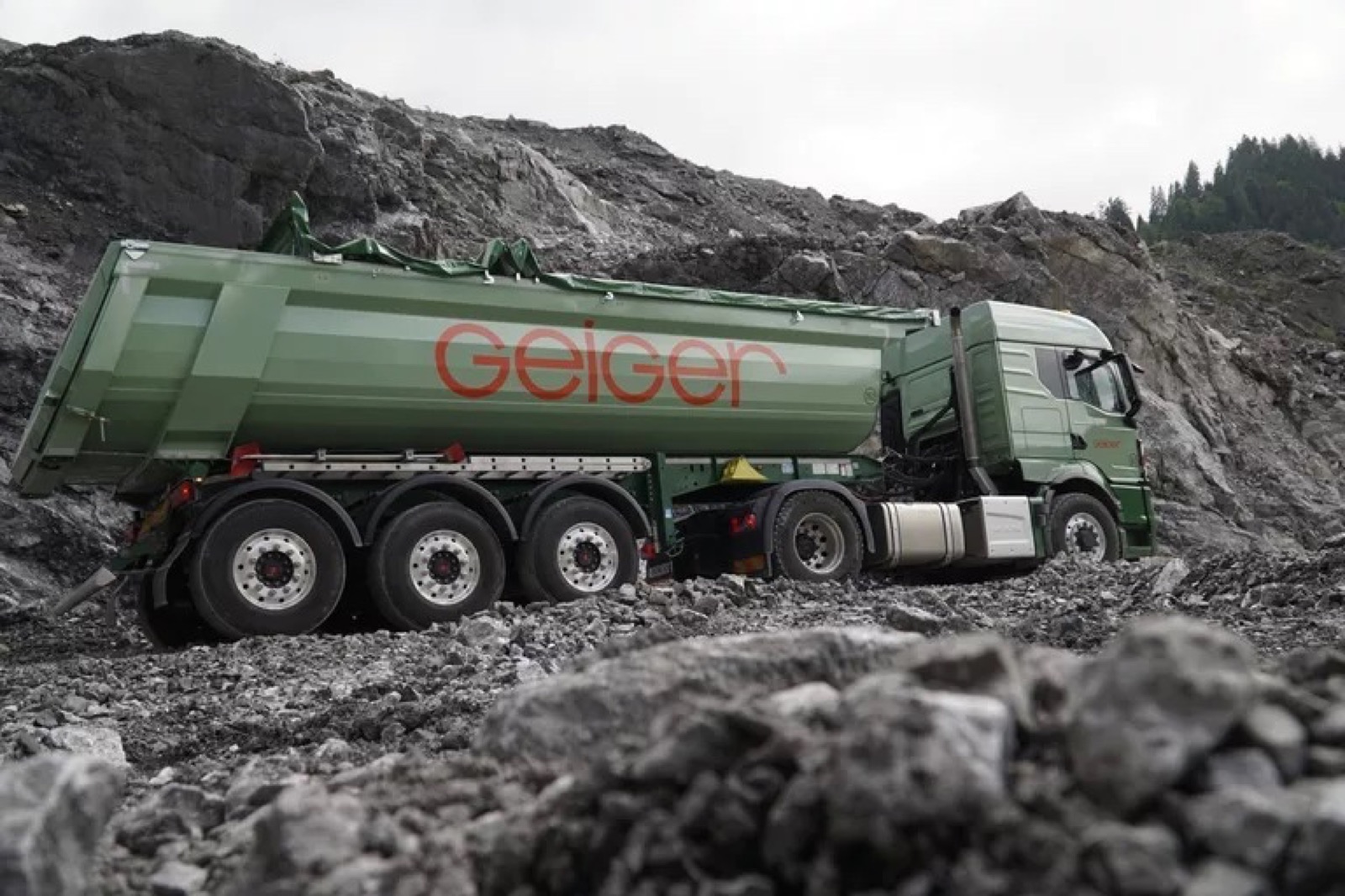
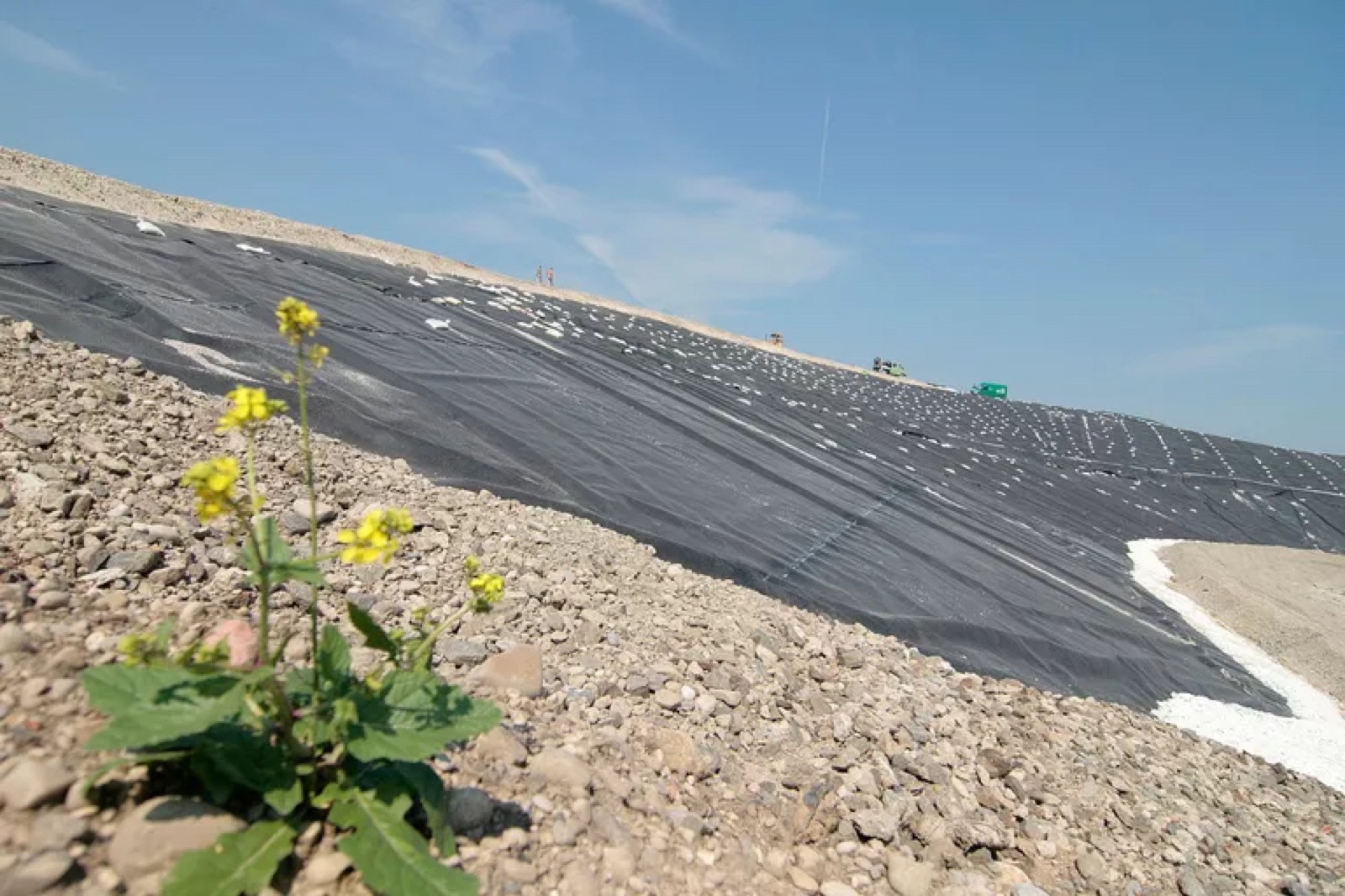
Geiger Italia, part of the Geiger Group of Oberstdorf, has worked for more than 30 years in the treatment, recovery and disposal of waste, particularly mineral-based waste. In 2016 it acquired a major storage, mixing and inertisation plant in Agnosine (Brescia), with an annual capacity of 65,000 tonnes.
At the Agnosine plant the company carries out storage and chemical-physical treatment of special waste, both hazardous and non-hazardous. Keeping it stable and holding pollution values within safe levels called for a system able to monitor parameters such as pH, redox, temperature and conductivity of the abatement systems in real time, to guarantee environmental and permit performance on emissions. On top of that, chemical and inertisation treatments happen in a plant made up of many parts driven by motors subject to heavy wear: avoiding stoppages on the processing lines meant adding a further layer of control over the electric motors.
Maxfone set up two sensor ecosystems. The first group monitors the reference parameters of the aeration system during chemical treatments. The second, which includes more than 8 high-precision triaxial vibration sensors, is installed on the treatment plant's motors.
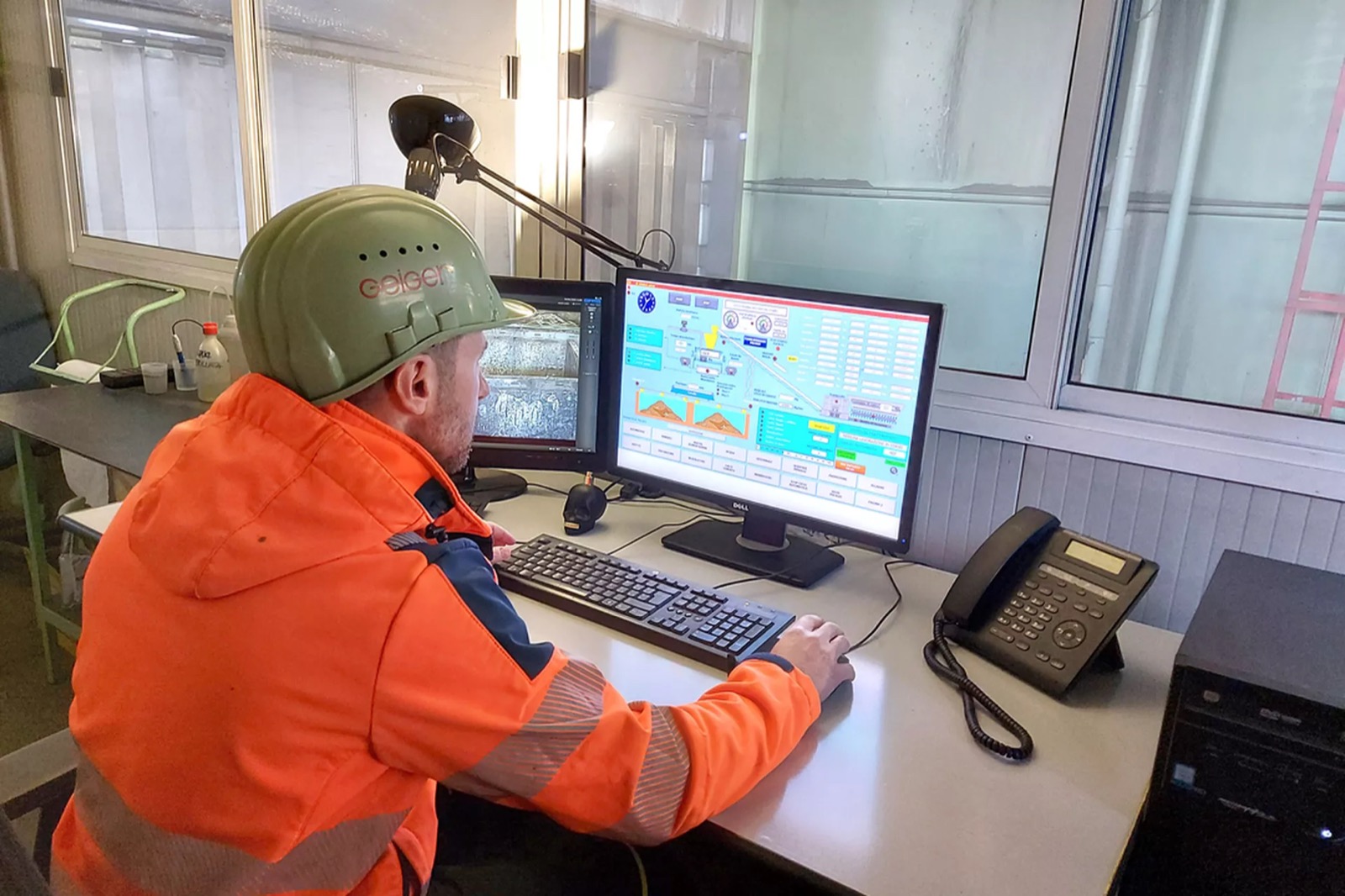
Data is displayed and managed in real time in the IDA application, which as well as collecting and analysing device data is the interface that sends notifications and alarms when parameters cross their upper or lower thresholds, or when a fault is developing.
With IDA, Geiger put the focus on productivity and disposal standards, ensuring reliability during chemical treatments, environmental sustainability and compliance with sector regulations. But it was the predictive analysis on the plant's motors that delivered the biggest gains: after the work, downtime days and costs fell by 50%. Motor failures are heavy losses, with costs that can reach tens of thousands of euros, plus the delays caused by the time it takes to raise the alert and replace the broken components.
The system Maxfone chose for motor monitoring is Siemens' Condition Monitoring System CMS 1200. The project worked so well that Siemens brought it into its international portfolio: Geiger Italia is now a global reference on the Siemens website, also told in a case history by Siemens Italy's press area.
The solution developed with Siemens is an excellent response to the need of our customer, Geiger, to have constant monitoring of the operating condition of rotating parts, in order to cancel the economic and environmental impacts of machine downtime due to unplanned failures. Through the predictive and prescriptive maintenance of the machine fleet we have achieved a reduction of over 35% of the spare parts in the warehouse.
Paolo Errico, CEO of Maxfone
Beyond stabilising the chemical-physical parameters and preventive maintenance on the treatment plant, monitoring can extend to other sensitive areas of the site, such as the machinery behind water consumption, compressed air and CO₂, for an increasingly complete dashboard of every activity. Activities that can reach the standards set out in the 5.0 transition plan, article 38, points a and b.

"The synergy of the IoT solution implemented, combined with the flexibility of the tool, has brought significant improvements to maintenance and will also allow us to create an evolving environment for the environmental monitoring that is essential in an installation such as Geiger's."
IDA adapts to different production processes: explore case studies from other sectors.
See all connected machinesBig Graniti S.r.l.
Natural stone

Bombieri S.p.A.
Food and beverage
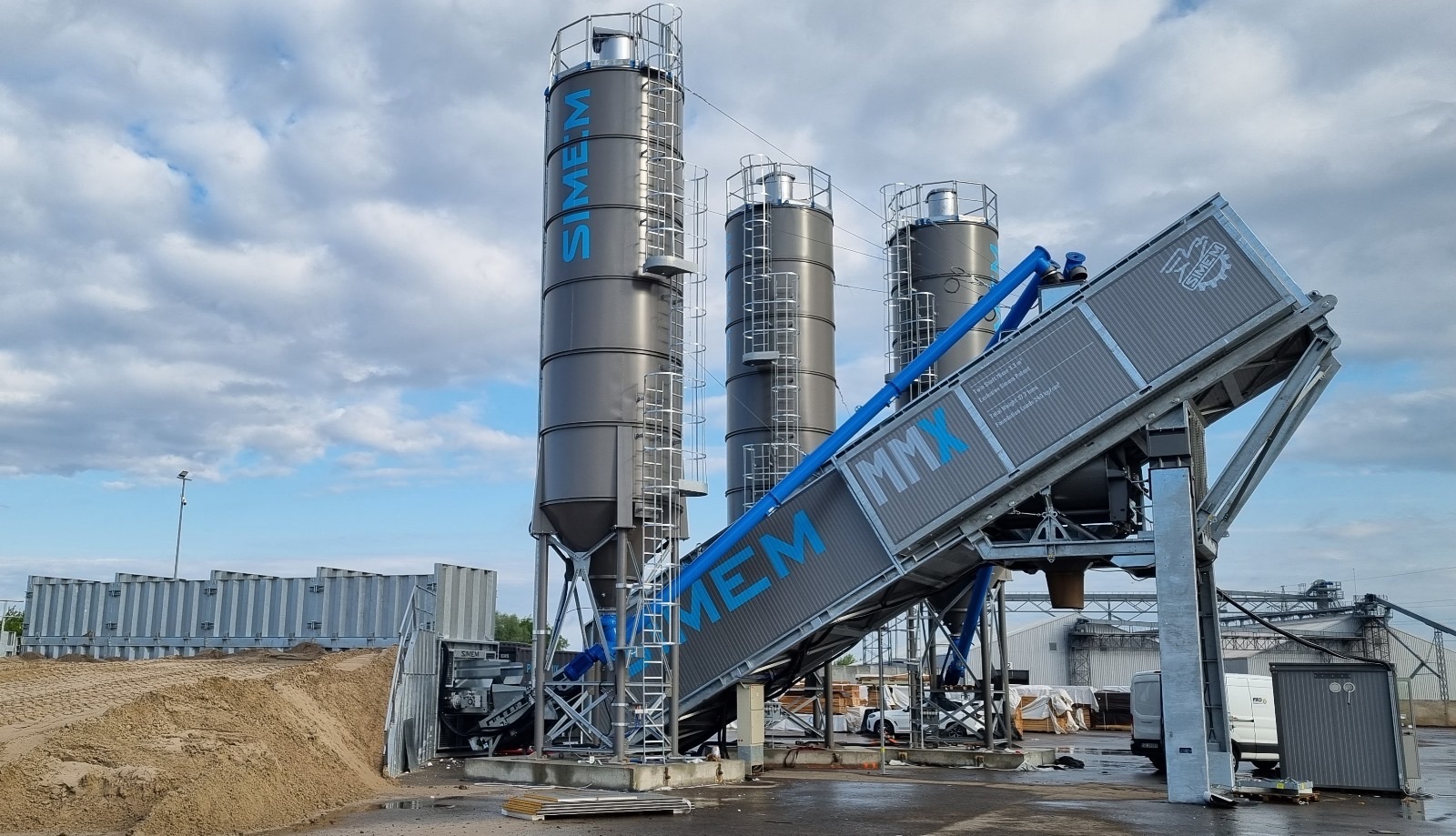
Build Trust S.p.A.
Cement and concrete
A demo on your sector: it takes us very little to show the impact on your production process.
Request a demo